

 Day Dresses
 Midi Dresses
 Maxi Dress
 Cocktail Dresses
 Party Dresses
 Occasion
 Wedding Guest
 Church & Special Events
 Co-Ord Sets
 Evening Dresses
 Embellished
 Rhinestone & Crystal
 Sequins
 Lace
Lace Satin
Satin Velvet
 Statement Sleeves
 Structured
 Black Tie
 Formal
 Designer
 Couture-Inspired
 Crystal & Hand-Embellished
 Exclusive Pieces
 Birthday
 Race Day
 Graduation
 A-Line
 Bodycon
 Wrap
Wrap

 Occasion Jumpsuits
 Evening Jumpsuits
 Trouser Sets
 Blazer Sets
 Skirt Sets
 Earrings
 Bracelets
 Bags
Bags Cluctches
Festival Fashion: Defining Iconic Summer Style Trends

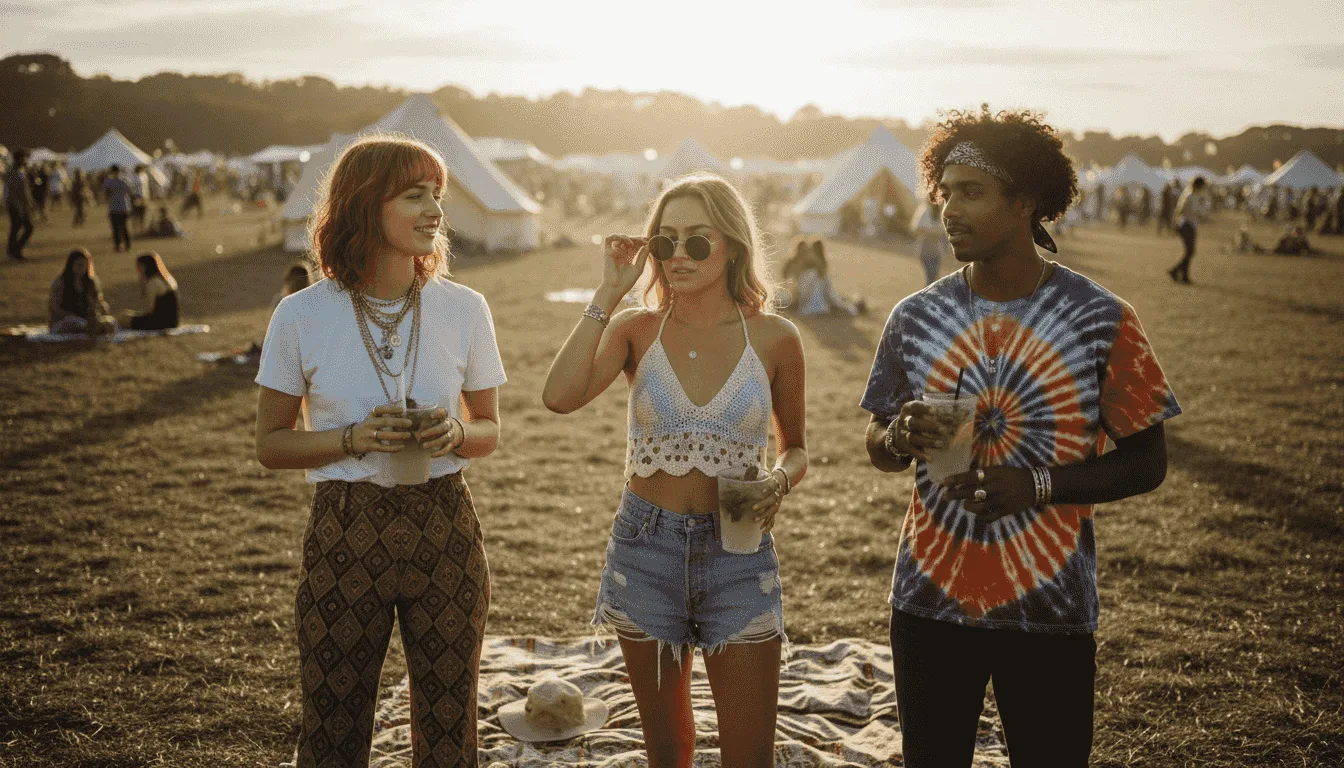
Scrolling through festival photos from across Ireland, the UK, and the US, it is clear that summer style has moved far beyond recycled trends and generic outfits. Today’s festival fashion means more than just pretty clothes—it is about self-expression, comfort, and making smarter choices about what you wear. Blending vintage influences with bold individuality, this season’s looks mix denim, crochet, and utility-inspired pieces with a focus on creative styling over fast fashion. Get ready to discover new ways to stand out, feel comfortable, and create looks that reflect who you truly are.
Table of Contents
- What Is Festival Fashion Today?
- What Makes Festival Fashion Different Now
- Signature Styles And Festival Staples
- Key Trends Shaping Summer Festival Looks
- Practical Styling Tips For Standout Outfits
- Smart Shopping And Ethical Considerations
Key Takeaways
| Point | Details |
|---|---|
| Comfort and Style Fusion | Modern festival fashion blends comfort with style, prioritizing practical features and breathable fabrics for enjoyment during long events. |
| Individual Expression | The current trend emphasizes individuality over uniformity, encouraging personal style choices instead of following influencer-led trends. |
| Conscious Consumption | Emphasizing conscious shopping, festival-goers are encouraged to remix their existing wardrobe instead of purchasing new outfits, promoting sustainability. |
| Versatile Staples | Essential festival pieces like crochet tops and flared pants provide versatility and blend vintage elements with contemporary styles for unique expressions of self. |
What Is Festival Fashion Today?
Festival fashion has transformed significantly from its Woodstock-era origins. While the 1960s counterculture movement established the foundational aesthetic you might recognize—flowing flares, bright colors, and carefree vibes—today’s festival style represents something far more complex. Modern festival fashion blends nostalgia with contemporary values, mixing vintage influences with practical design and conscious consumption choices.
Today’s festival wardrobe isn’t just about looking good on Instagram. It’s a statement about who you are and what matters to you. The current trend cycle emphasizes comfort alongside self-expression, reflecting how festival-goers have shifted their priorities. You’ll notice this in the clothes people actually wear: functional pieces with practical features like pockets, alongside bold aesthetic choices that make you stand out from the crowd.
What Makes Festival Fashion Different Now
The festival scene has evolved to include several defining characteristics:
- Comfort meets style: Think breathable fabrics, flexible fits, and shoes you can actually dance in for hours
- Individuality over trends: Less about matching what influencers wear, more about curating your own vibe
- Conscious consumption: Utilizing existing wardrobe items creatively rather than buying entirely new outfits
- Indie and youthful aesthetics: A resurgence of personal, non-mainstream style choices
- Practical utility: Clothing that actually works for a full day at an outdoor venue
Modern festival fashion prioritizes what you already own and how you style it, not just what’s new in stores.
You’ve probably noticed the shift yourself. Instead of feeling pressured to buy a complete new outfit for every festival season, the current mentality celebrates remixing pieces you already love. This reflects broader conversations about fast fashion’s environmental impact and ethical concerns in the fashion industry.
The aesthetic draws from multiple sources. Crop tops, crochet details, and psychedelic prints still appear, but they’re mixed with contemporary pieces like oversized blazers, structured jackets, and minimalist silhouettes. The result feels both nostalgic and completely current—you’re honoring festival fashion history while making it your own.
What separates today’s festival fashion from previous eras is the emphasis on personal meaning. Your outfit tells a story about your values, your aesthetic preferences, and how you want to experience the event. That could mean sustainable choices, thrifted finds, or simply pieces that make you feel confident and comfortable for a 12-hour day in the sun.
Here’s a summary of how festival fashion has shifted from its origins to today:
| Era | Core Values | Typical Features | Key Motivation |
|---|---|---|---|
| 1960s–1970s | Counterculture, freedom | Flowing flares, bold prints | Social and artistic unity |
| Today (2020s) | Individuality, utility | Mixed eras, practical use | Self-expression, comfort |
Pro tip: Before buying anything new for festival season, pull together what you already own and style it in unexpected ways—layer pieces differently, add accessories you haven’t used in months, and see what combinations actually excite you.
Signature Styles and Festival Staples
Certain pieces have become festival fashion non-negotiables, and for good reason. They work across seasons, pair with almost anything, and instantly communicate that effortless festival vibe. The most iconic staples draw directly from 1960s and 70s counterculture movements, but modern festival fashion remixes them into something entirely contemporary. You’re not just wearing history—you’re making it relevant to who you are today.
The foundation of any festival wardrobe starts with classic silhouettes and textures that have stood the test of time. Flared pants remain a cornerstone because they move with your body, offer comfort for hours of standing and dancing, and photograph beautifully. Paired with crochet garments and fringe details, they create visual dynamism that suits energetic festival environments. The texture contrast keeps your outfit interesting without requiring complicated layering or multiple pieces.
Essential Festival Staples
These pieces form the backbone of festival style across multiple seasons:
- Crochet tops and bralettes: Breathable, beautiful, and instantly festival-coded
- Flared and wide-leg pants: Comfortable for movement while maintaining that retro aesthetic
- Denim-on-denim looks: A surprisingly versatile combo that works in countless combinations
- Metallic accessories: Belts, body chains, and jewelry that catch light and movement
- Vintage-inspired Y2K elements: Low-rise styles, butterfly clips, and nostalgic touches
- Fringe details: Jackets, bags, or vests that add movement and visual interest
- Bandanas: Functional and stylish, working as headwear, bag accents, or even tops
What makes these staples so powerful is their versatility. A single crochet top works with vintage jeans, flared pants, leather pants, or shorts depending on the vibe you’re going for. Metallic accessories elevate a basic outfit instantly. The key is understanding how to mix these foundational pieces to express your personal style rather than following a formula.
Festival staples provide visual dynamism and support endless creativity—they’re the building blocks, not the finished outfit.
Y2K influences deserve special mention here because they’ve become genuinely prevalent in modern festival fashion. Low-rise cargo pants paired with a midriff-baring crochet top channels early 2000s festival nostalgia while feeling completely current. This blend of multiple decades creates depth in your outfit and reflects how festival fashion now draws from multiple eras simultaneously.
The smart approach treats these staples as your toolkit rather than a checklist. You’re not collecting each item just to own it. Instead, you’re selecting pieces that genuinely work with your body, your climate, and your aesthetic preferences. A bandana works differently if you’re using it as a headwrap versus a belt versus a bag detail. A crochet piece changes entirely based on what you layer it with.
Metallic accessories and vintage-inspired aesthetics provide that visual dynamism that makes festival fashion exciting to look at. The movement in fringed pieces, the shimmer of metallics, and the texture of crochet all work together to create an outfit that has energy even when you’re standing still.
One thing worth considering: these staples have cultural significance and history. That matters. Understanding where flares and fringe come from, appreciating the movements they represent, and wearing them thoughtfully shows respect for the aesthetic you’re borrowing from. It’s the difference between wearing something meaningful and wearing something just because it looks cool.
Pro tip: Invest in quality versions of 2-3 core staples like a flattering pair of flares and a crochet piece that actually fits your body well, then style them differently throughout festival season rather than buying multiple similar items.
Key Trends Shaping Summer Festival Looks
Summer festival fashion in 2023 moves decisively away from “festival costume” toward authentic self-expression. The biggest shift centers on practicality without sacrificing style. You’re no longer expected to choose between looking good and actually being comfortable during a full day of standing, dancing, and exploring. This fundamental change reflects how festivals have evolved from niche cultural events into mainstream social experiences where real comfort matters.
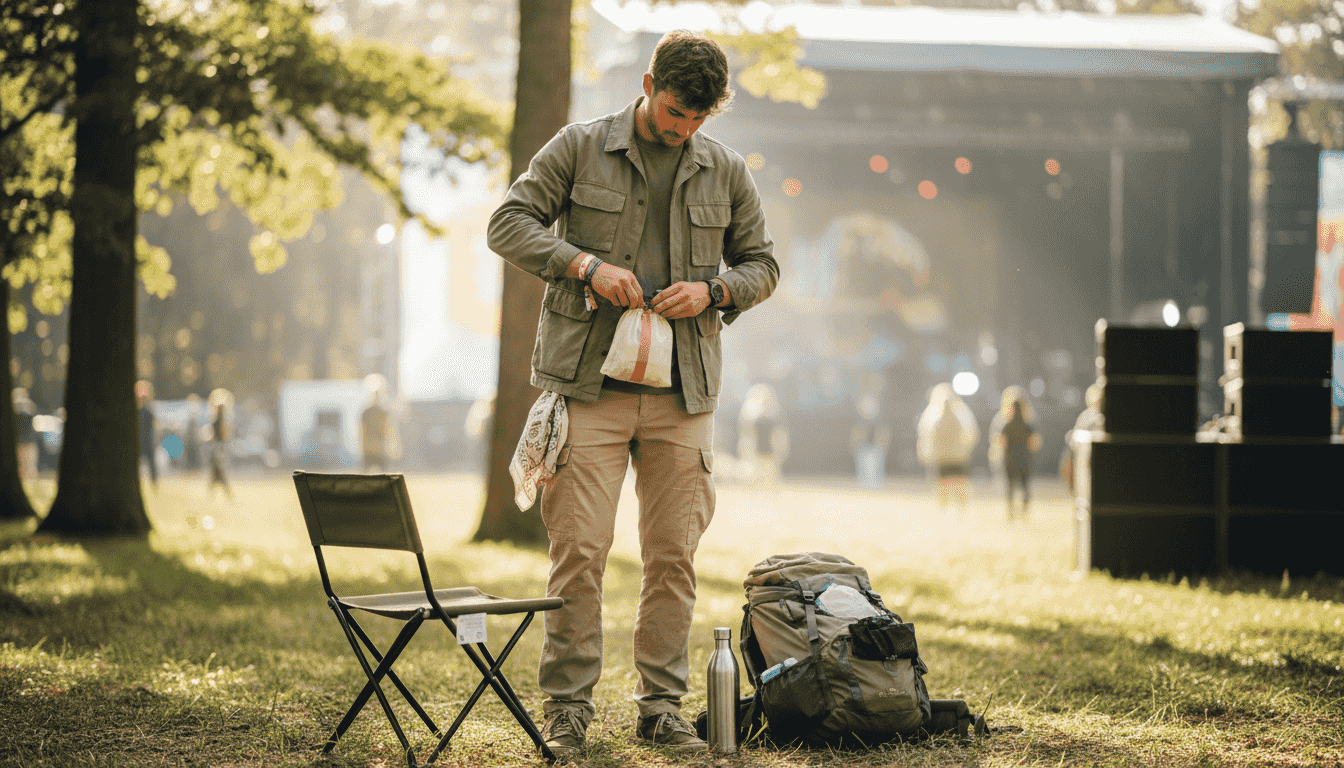
The current trend cycle emphasizes utility-focused garments that serve multiple purposes. Pieces with ample pockets, lightweight fabrics, and packable designs dominate the festival scene now. Think cargo vests with enough storage for your phone and essentials, linen shirts that pack down to nothing but breathe beautifully, and pants designed for movement rather than pure aesthetics. Elevated utility garments with ample pockets represent a maturation in how people approach festival dressing—recognizing that function and fashion coexist.
Defining Aesthetic Trends
Beyond practicality, specific visual trends are shaping what people wear to festivals this season:
- Indie-inspired print clashing: Mixing unexpected patterns creates visual interest and personal character
- Kidult styles: Playful, younger-leaning aesthetics that feel fun rather than serious
- 70s-inspired fringe and Y2K revivals: Blending nostalgic eras creates depth and individuality
- Bright metallic accents: Eye-catching details that photograph well and catch movement
- Crochet in versatile applications: Beyond tops, appearing in accessories and layering pieces
- Personalized styling over matched sets: Building outfits from individual pieces rather than coordinated collections
Festival fashion now celebrates what makes your style unique, not what matches a predetermined template.
What makes these trends feel different from previous years is the emphasis on personal curation rather than trend-following. You’re mixing a 70s-inspired fringe jacket with Y2K low-rise pants and contemporary metallic accessories. That combination would’ve felt chaotic five years ago. Now it feels perfectly intentional and reflects how fashion has become increasingly individualized across all age groups and fashion levels.
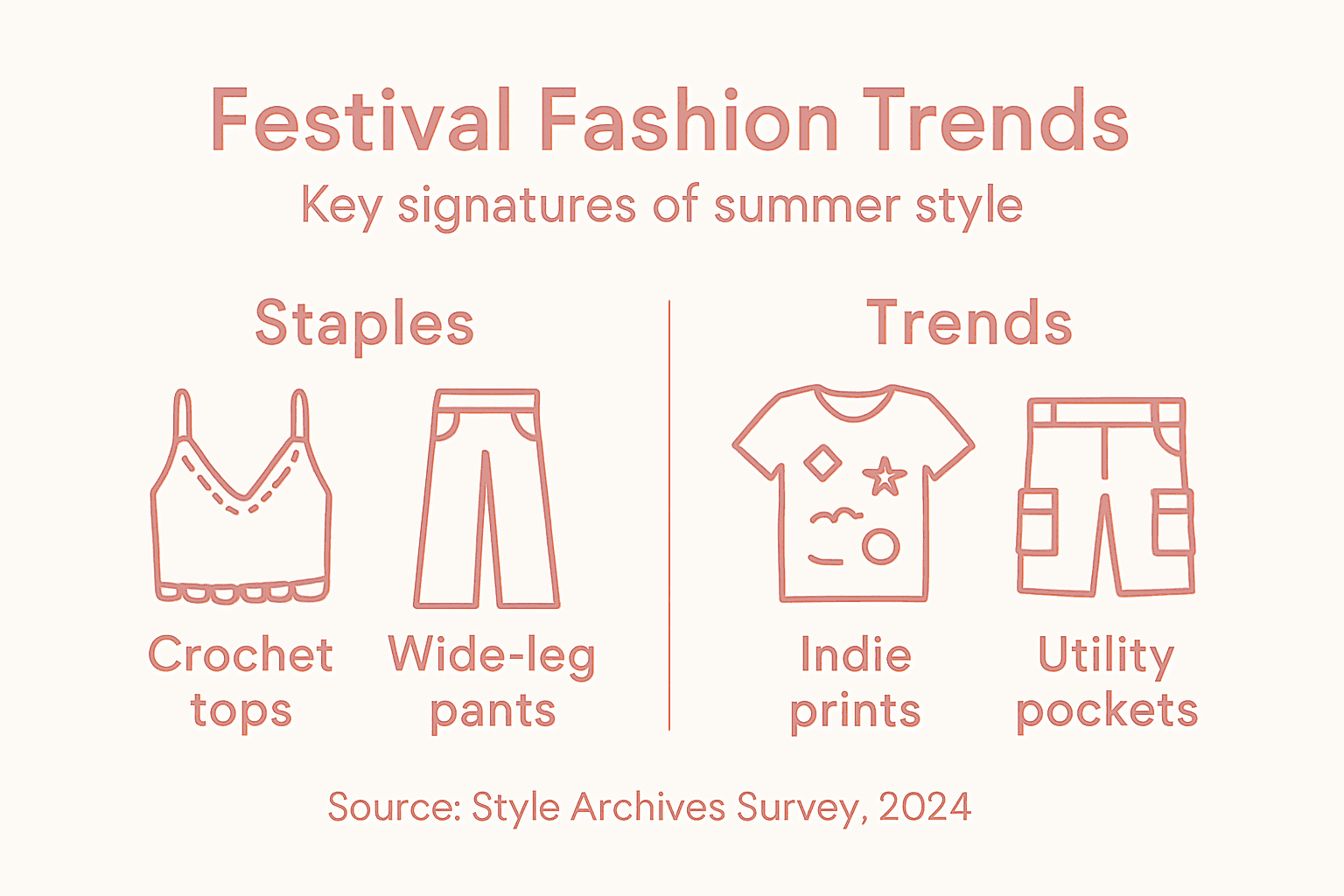
The indie print clashing trend particularly resonates with younger festival attendees in urban areas. It says you’re confident enough to wear what you actually like, even if it doesn’t technically “match.” A psychedelic print mixed with a geometric pattern, both brightened with metallic jewelry, creates an outfit with personality. This approach also extends the life of your wardrobe because you’re not waiting for pieces that coordinate—you’re creatively combining what you own.
Y2K influences continue reshaping how we approach silhouettes. Low-rise cargo pants return not as irony but as genuine styling choices. Butterfly clips and baby tees sit alongside modern cuts and contemporary fits. This blending of eras reflects individuality and the blending of multiple decades in personal style. Your outfit becomes a timeline of influences rather than a single era statement.
The movement away from uniform festival “costumes” allows for genuine self-expression. You’re not trying to look like a festival attendee. You’re simply being yourself, but with intentional style choices. That might mean sustainable choices, thrifted finds, or pieces you’ve owned for years styled in new ways. The trend isn’t about buying more—it’s about wearing what genuinely reflects who you are and what matters to you.
Pro tip: Start with one versatile piece in a neutral color with practical features like pockets, then layer in bold prints, metallics, and textures that reflect your actual aesthetic rather than what you think festival fashion “should” look like.
Practical Styling Tips for Standout Outfits
Creating a standout festival outfit starts with understanding that practicality and creativity work together, not against each other. The best festival looks balance comfort with visual impact, ensuring you feel confident and look intentional without sacrificing your ability to actually enjoy the event. This means choosing pieces that serve multiple purposes, mixing unexpected elements, and building outfits that reflect who you really are rather than festival fashion stereotypes.
The foundation of any strong festival outfit begins with functional basics. Look for clothing with practical elements like pockets—these transform an outfit from purely decorative to genuinely useful for carrying essentials throughout the day. Layer different textures and prints to create visual interest that photographs well and keeps your look from feeling flat or one-dimensional. Layering with different textures and prints creates a unique statement while allowing you to adjust to temperature changes without carrying a heavy jacket all day.
Strategic Styling Techniques
These actionable approaches help you build outfits that stand out:
- Mix vintage with contemporary: Pair thrifted pieces with modern items to create depth and show personality
- Use accessories strategically: Incorporate fringe, metallics, or body chains that catch light and create movement
- Blend multiple denim pieces: Denim-on-denim styling creates visual impact when done intentionally with different washes or cuts
- Incorporate crochet for texture: Use crochet pieces as tops, overlays, or even accessories to add visual and tactile interest
- Choose colors that complement your skin tone: Bright colors and metallics photograph better and feel more intentional than defaults
- Balance proportions thoughtfully: Pair fitted pieces with loose silhouettes to create flattering outlines
The vintage-meets-contemporary approach addresses something practical that matters to your wallet and the planet. You already own pieces that work beautifully for festivals—jeans you love, a vintage band tee, a jacket with great bones. Rather than buying a complete new outfit, style what you already own with a few contemporary accents. Add metallic jewelry, throw on a fringed accessory, and suddenly your everyday pieces feel intentional and festival-ready.
The best festival outfits make you feel like yourself, just amplified with intention and confidence.
Accessories deserve serious attention because they’re the multipliers in your outfit. A basic black tank becomes festival-worthy with a body chain, metallic belt, and bold jewelry. These pieces are often smaller investments than clothing but create disproportionate visual impact. Fringe in particular works across multiple outfit combinations—attach it to a bag, wear it as a vest, or drape it over your shoulders as a statement layer.
Blending multiple denim pieces for visual impact sounds risky but works when you vary the washes, cuts, or styling. Light-wash jeans under a dark denim jacket creates contrast. A denim vest layered over denim creates texture interest. The key is intentionality—you’re not accidentally matching; you’re purposefully creating a cohesive denim moment.
Comfort genuinely matters because you’re standing, walking, and dancing for hours. Choose fabrics that breathe, waistbands that don’t dig in, and shoes you’ve actually worn before—not new festival shoes that haven’t been broken in. Your outfit should let you move freely and feel good in your body, which means you’ll naturally project more confidence and actually enjoy yourself.
The self-expression piece ties everything together. Your festival outfit tells a story about your aesthetic, your values, and what matters to you. If sustainability resonates, thrift everything. If bold color is your thing, go bright. If minimalism feels right, keep accessories minimal and let silhouettes shine. The freedom in current festival fashion is that there’s no single “right” way to dress—you’re building something that works for you.
Consider these common festival wardrobe dilemmas and smart solutions:
| Challenge | Modern Solution | Benefit |
|---|---|---|
| Carrying essentials | Pockets and utility vests | Hands-free dancing and less bulk |
| Standing all day | Supportive footwear | Long-lasting comfort |
| Changing weather | Layerable fabrics | Easy adjustment to temperature shifts |
| Outfit fatigue | Remix existing pieces | Unique looks without constant shopping |
Pro tip: Lay out three outfit combinations using pieces you already own before buying anything new, and choose whichever combination makes you feel most like yourself rather than most like a “festival outfit.”
Smart Shopping and Ethical Considerations
Festival fashion has a reputation for being disposable—buy it, wear it once, discard it. But this cycle harms both your wallet and the environment. The smarter approach recognizes that what you buy for festivals exists within a larger ecosystem of production, labor, and environmental impact. Making thoughtful choices about where your clothes come from and how long they’ll actually last transforms festival fashion from a throwaway trend into something meaningful and sustainable.
The foundation of ethical festival shopping starts with understanding your own consumption patterns. Before buying anything new, audit what you already own. Those jeans from two years ago? They work for festivals. That vintage band tee your friend gave you? Perfect layering piece. This isn’t about being cheap—it’s about respecting the resources already invested in clothes you own. Emphasizing quality over trend-driven consumption means fewer purchases that last longer, reducing both your environmental footprint and the amount you spend annually on festival outfits.
Making Conscious Purchasing Decisions
When you do decide to buy new festival pieces, these practices guide smarter choices:
- Thrift first, then buy new: Explore secondhand options for unique, one-of-a-kind pieces before purchasing full price
- Check fabric composition: Natural fibers like cotton and linen break down more easily than synthetics
- Research brand practices: Look for companies that prioritize fair labor and transparent supply chains
- Invest in versatile pieces: Buy items that work beyond festival season—they’ll get more wear and justify the cost
- Avoid trend-specific items: Skip pieces designed only for one aesthetic; choose timeless silhouettes instead
- Consider rental options: For items you’ll wear once, renting costs less and reduces demand for new production
- Buy from ethical resellers: Support secondhand platforms that create economic opportunities
Smart shopping isn’t about spending less—it’s about spending thoughtfully on things that truly matter to you.
Thrift shopping deserves special attention because it offers something mass production cannot: individuality. A vintage fringe jacket from a thrift store costs a fraction of a new one, comes with actual history, and you’re the only one wearing it at the festival. This addresses the “Instagram sameness” problem where everyone shows up in nearly identical outfits. Plus, thrifting extends the life of clothing that already exists, reducing the demand for new production and its associated environmental costs.
When you do buy new, integrating ethical considerations in consumer choices means looking beyond price tags. Spend the extra five minutes researching a brand. Do they disclose where clothes are made? Do they use sustainable materials? Are workers paid fairly? These questions matter because festival fashion sits within global systems of production. Your choices support either exploitation or fair practices.
Rental platforms have become genuinely viable for festival season. If you find an outfit you love but will only wear once, renting costs significantly less than buying. This model benefits you (lower cost), the rental company (guaranteed revenue), and the environment (fewer new clothes produced). It’s particularly smart for statement pieces like a standout jacket or special occasion outfit.
The quality-over-quantity approach feels counterintuitive in a culture that equates more with better. But one really excellent pair of flares you’ll wear repeatedly across multiple seasons and festivals beats three cheap pairs that fall apart after one wear. Quality pieces look better, feel better, and ultimately cost less per wearing when you do the math.
Cultural respect matters too. Festival fashion draws from specific movements and cultures. When you wear something with deep cultural roots, wearing it thoughtfully and understanding its history shows respect. This means avoiding stereotypical costume interpretations and instead honoring the significance of what you’re wearing.
Pro tip: Before making any festival fashion purchase, ask yourself: “Will I wear this outside of festival season?” If the answer is no, either skip it or look for a rental or thrifted option instead.
Elevate Your Festival Style with Thoughtful Choices and Timeless Pieces
Struggling to balance comfort, individuality, and sustainability in your festival outfits is a common challenge for many. This article highlights the importance of mixing vintage staples like crochet tops and flared pants with practical, utility-focused garments while expressing your authentic self. If you want to avoid the trap of fast fashion and discover ways to remix your existing pieces effortlessly, explore our Fashion Archives – Beecollectibles for inspiration and essential wardrobe staples.
Discover how you can create iconic summer looks by combining timeless staples with modern style. Visit Style Archives – Beecollectibles to find versatile pieces ready to elevate your outfits while prioritizing comfort and sustainability. Ready to transform your festival wardrobe right now Explore unique womens fashion at BeeCollectibles and start crafting your own standout festival statement today.
Frequently Asked Questions
What defines modern festival fashion?
Modern festival fashion blends comfort, individuality, and conscious consumption. It’s not just about looking good; it’s a reflection of personal values and style, prioritizing practical design alongside aesthetic choices.
How has festival fashion evolved from its origins?
Festival fashion has shifted from the flowing, carefree styles of the 1960s to a focus on practical and functional clothing that allows for self-expression and comfort during long festival days, incorporating various vintage elements with contemporary trends.
What are some essential staples for a festival outfit?
Key staples include crochet tops and bralettes, flared and wide-leg pants, denim-on-denim looks, metallic accessories, vintage-inspired Y2K elements, and fringe details. These pieces work together to create versatile, dynamic outfits suitable for festivals.
Why is sustainability important in festival fashion?
Sustainability in festival fashion emphasizes reducing waste and promoting ethical consumption. It encourages using existing wardrobe items creatively and making thoughtful purchases, which helps mitigate the environmental impact of fast fashion while celebrating personal style.
Recommended
- 10 Must-Have Summer Dresses to Elevate Your Warm-Weather Wardrobe – Beecollectibles
- Why Yellow Cargo Trousers Are the Must-Have Trend for Your Wardrobe This Season – Beecollectibles
- Style Guide to Wearing a Pink Denim Jacket in 2026 – Beecollectibles
- 7 Stunning Ways To Style A Dress With Gloves In 2026 – Beecollectibles
In summary, what is festival fashion, if not the ultimate celebration of individuality? It’s a way to express who you are while enjoying the festival experience to its fullest.
What is festival fashion? It encompasses a variety of styles that reflect personal expression and creativity. As we explore the evolution of this trend, understanding what is festival fashion is key to realizing its impact.