


 Day Dresses
 Midi Dresses
 Maxi Dress
 Cocktail Dresses
 Party Dresses
 Occasion
 Wedding Guest
 Church & Special Events
 Co-Ord Sets
 Evening Dresses
 Embellished
 Rhinestone & Crystal
 Sequins
 Lace
Lace Satin
Satin Velvet
 Statement Sleeves
 Structured
 Black Tie
 Formal
 Designer
 Couture-Inspired
 Crystal & Hand-Embellished
 Exclusive Pieces
 Birthday
 Race Day
 Graduation
 A-Line
 Bodycon
 Wrap
Wrap

 Occasion Jumpsuits
 Evening Jumpsuits
 Trouser Sets
 Blazer Sets
 Skirt Sets
 Earrings
 Bracelets
 Bags
Bags Cluctches
How to Style Dresses for Every Occasion Easily

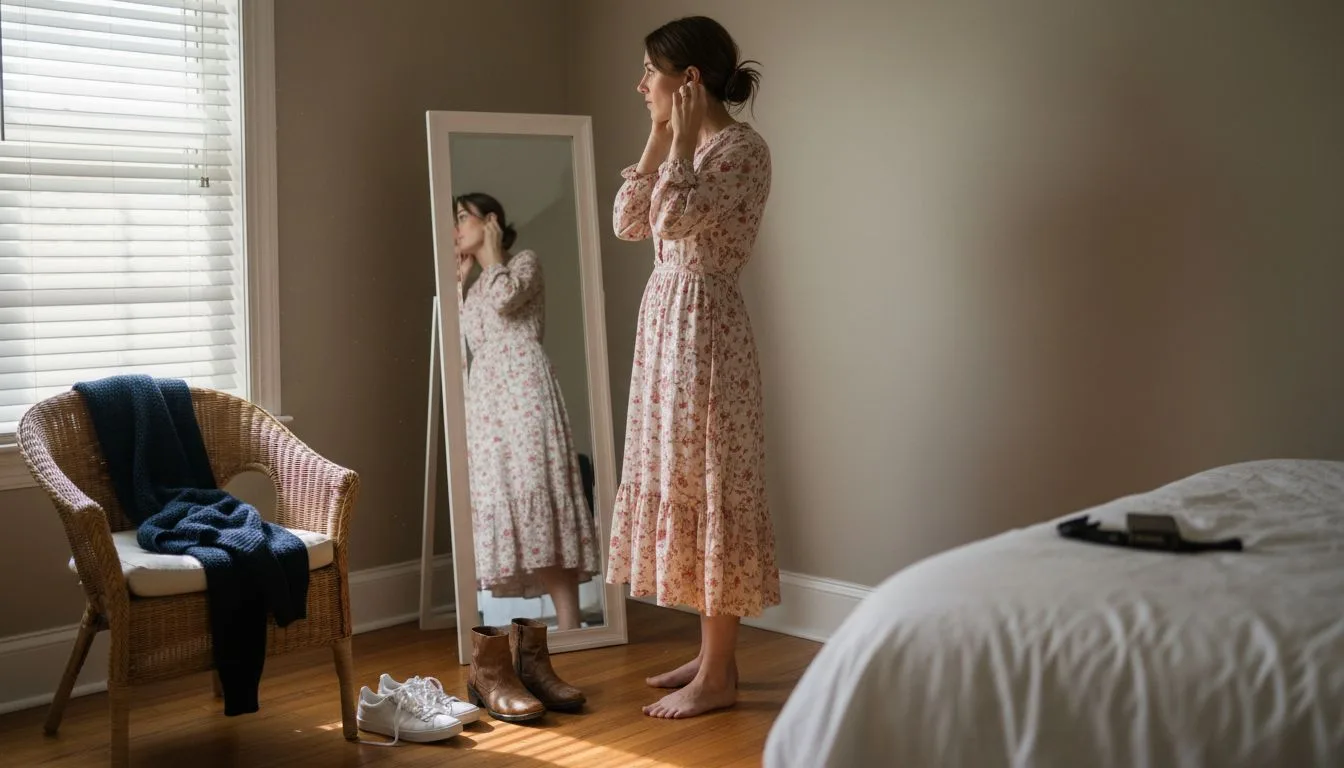
Choosing the right dress for a busy calendar of weddings, brunches, or work events can sometimes feel like a balancing act. Finding a look that honors both your personal style and the occasion’s dress code is key for making a positive impression while staying comfortable all day. Whether it is swapping accessories or selecting the perfect layer, you will discover versatile styling strategies that help you move confidently from professional meetings to social celebrations with ease.
Table of Contents
- Step 1: Assess Your Dress And Event Needs
- Step 2: Select Appropriate Accessories And Shoes
- Step 3: Layer With Jackets, Cardigans, Or Scarves
- Step 4: Personalize With Statement Jewelry
- Step 5: Review The Complete Look In A Mirror
Quick Summary
| Key Point | Explanation |
|---|---|
| 1. Understand event requirements | Assess the dress code, type of event, time of day, and cultural expectations before choosing a dress. |
| 2. Choose appropriate accessories | Select accessories that complement your dress, fit the event’s formality, and maintain comfort while avoiding over-accessorizing. |
| 3. Utilize effective layering | Layer with pieces that enhance your dress and suit the occasion, paying attention to color, fabric, and proportions. |
| 4. Select statement jewelry wisely | Use one bold piece as a focal point, keeping other accessories minimal to balance your overall look. |
| 5. Review your complete outfit | Check fit, comfort, and overall presentation in multiple angles and lighting before leaving the house for confidence. |
Step 1: Assess your dress and event needs
Successfully styling dresses starts with understanding the specific requirements of your upcoming event. Knowing exactly what type of occasion you’re attending helps you select the perfect dress that strikes the right balance between personal style and event expectations.
To effectively assess your dress and event needs, consider these critical factors:
- Dress code: Examine the event invitation or consult the host for specific dress code guidelines
- Event type: Identify whether it’s a formal gala, casual gathering, professional conference, or social celebration
- Time of day: Daytime events often require different dress styles compared to evening functions
- Cultural context: Account for any regional or cultural dress expectations
When preparing for professional gatherings, understanding event dress codes becomes particularly important. Different occasions demand varying levels of formality, from business casual to strictly formal attire. Pay close attention to subtle nuances that can impact your clothing choices.
Beyond the event specifications, factor in practical considerations like comfort, movement, and potential climate conditions. A dress that looks stunning but prevents you from sitting comfortably or moving freely might not be the ideal choice. Consider the expected duration of the event and any activities you’ll be participating in.
Professional dress selection isn’t just about appearance—it’s about feeling confident and prepared for any situation.
Pro tip: Always keep a versatile dress in your wardrobe that can be easily dressed up or down with strategic accessories to accommodate unexpected event invitations.
Step 2: Select appropriate accessories and shoes
Accessorizing your dress is an art form that can transform your entire look from simple to spectacular. The right accessories and shoes not only complement your dress but also express your personal style and enhance your overall outfit.
When selecting accessories and shoes, focus on these key strategies:
- Color coordination: Match or complement your dress’s color palette
- Comfort level: Prioritize shoes that allow you to move and stand comfortably
- Event appropriateness: Choose accessories that suit the occasion’s formality
- Balance: Avoid over-accessorizing or creating visual clutter
Professional accessory selection requires a nuanced approach. Opt for classic, understated pieces that enhance your dress without overwhelming it. For professional settings, stick to minimal jewelry and neutral-toned shoes that provide both style and functionality.
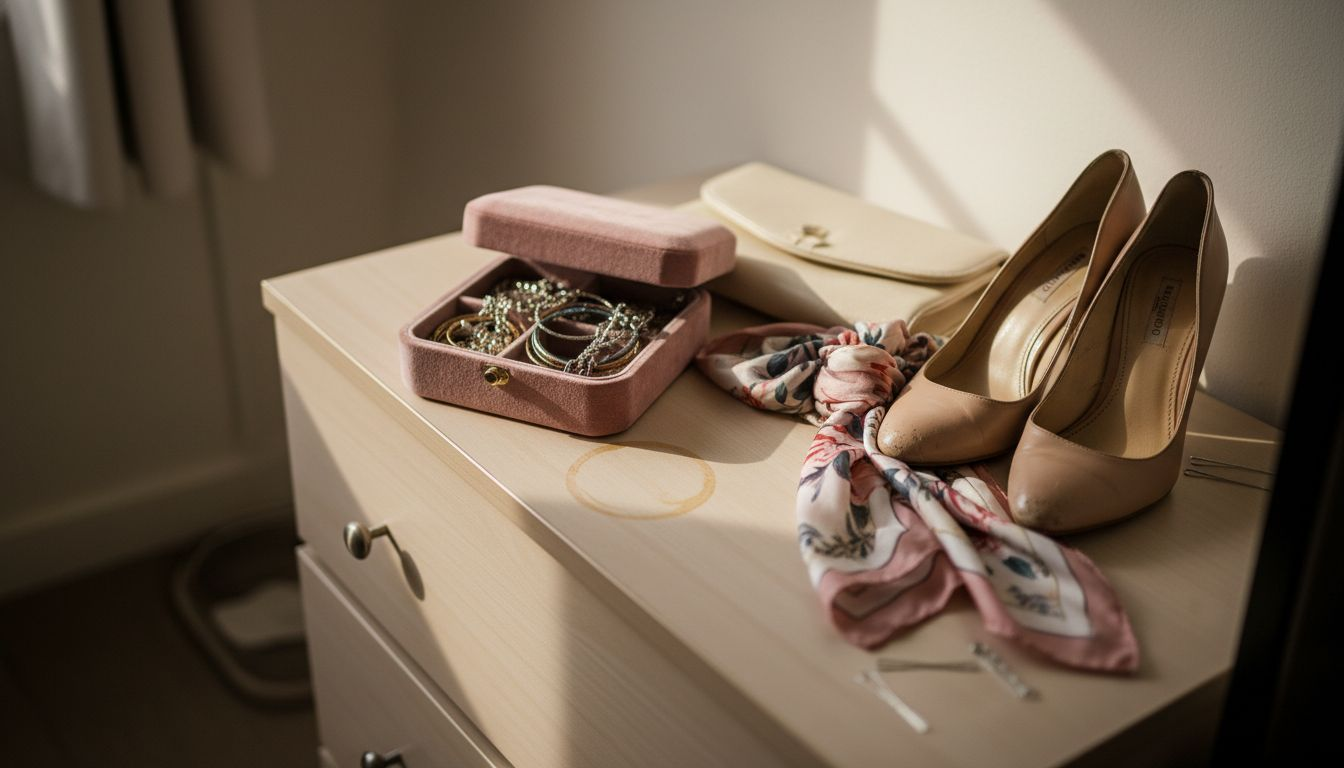
Consider the physical demands of your event when choosing footwear. Closed-toe flats or low heels work wonderfully for events requiring extended standing, while elegant pumps can elevate a more formal ensemble. Pay attention to heel height and shoe comfort, as your footwear can make or break your overall experience.
Below is a summary of how different shoe types influence your outfit and comfort:
| Shoe Style | Effect on Outfit | Comfort Level |
|---|---|---|
| Pumps | Elegance, leg-lengthening | Moderate for standing |
| Flats | Understated, versatile | High, great for all day |
| Low heels | Subtle height boost | Comfortable for walking |
| Sandals | Relaxed, casual | High, best for warm weather |
Accessories are the exclamation point of an outfit – choose them wisely to make a statement without shouting.
Pro tip: Invest in a versatile pair of nude or black heels that can be paired with multiple dresses, and keep a compact jewelry roll for quick accessory changes.
Step 3: Layer with jackets, cardigans, or scarves
Layering transforms a simple dress into a versatile ensemble that can adapt to changing temperatures and style preferences. The right layering piece can elevate your outfit, add depth to your look, and provide practical comfort throughout the day.
Consider these strategic layering approaches:
- Proportions: Choose layers that complement your dress’s silhouette
- Color harmony: Select complementary or neutral tones
- Fabric weight: Match the layer’s thickness to the dress and environment
- Occasion appropriateness: Ensure the layer suits the event’s formality
When selecting your layering piece, focus on creating a balanced visual composition. A well-chosen structured blazer can instantly professionalize a dress, while a soft cardigan offers a more relaxed, approachable vibe. Lightweight scarves provide an elegant touch that can dramatically change your outfit’s mood and warmth.
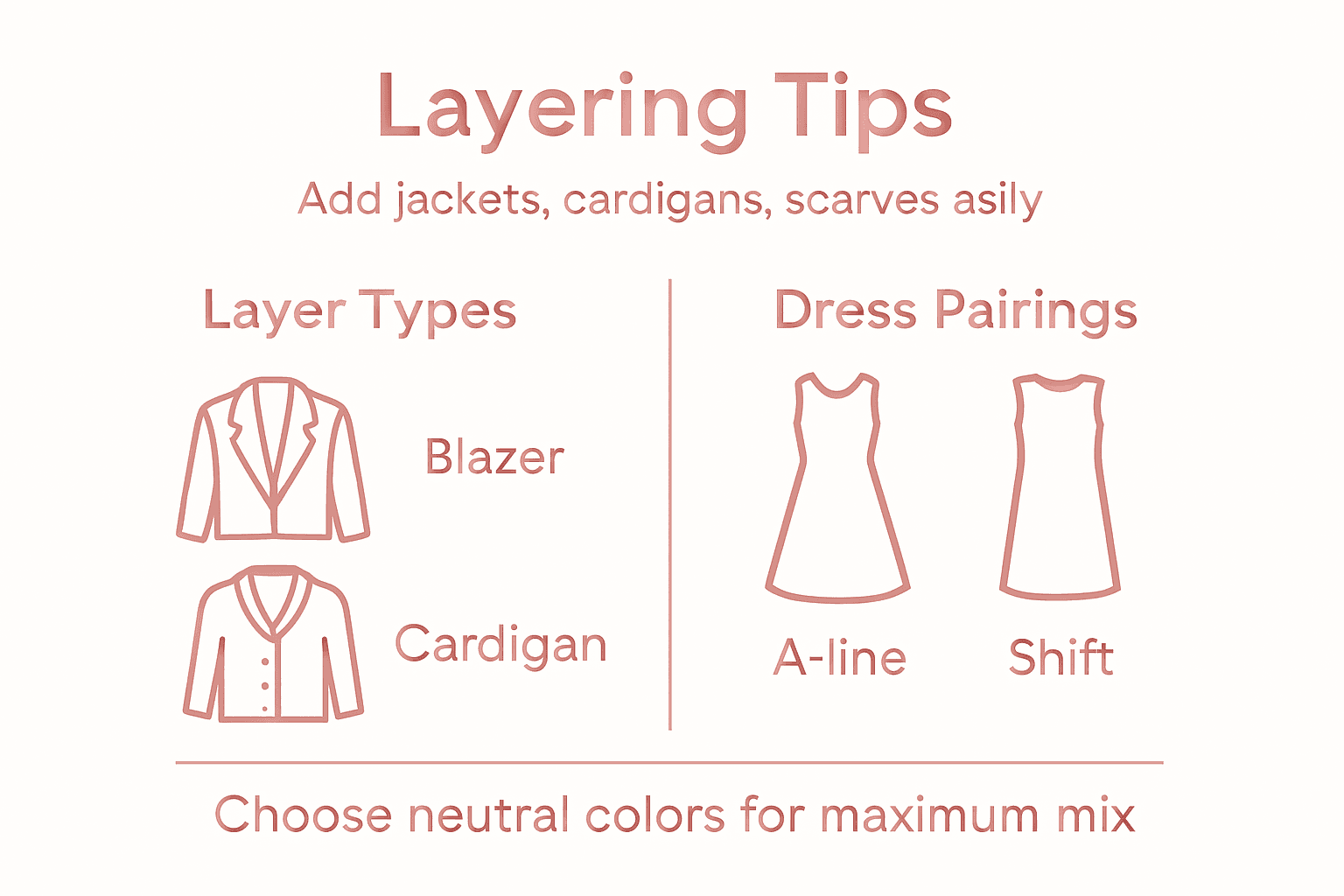
Pay attention to how different layers interact with your dress. Cropped jackets work beautifully with A-line dresses, while longline cardigans can create an elegant line with sheath or bodycon styles. Consider the sleeve length and neckline of both your dress and layering piece to ensure a harmonious look.
Here’s a quick comparison of layering pieces to enhance different dress styles:
| Layer Type | Best Paired With | Visual Impact | Formality Level |
|---|---|---|---|
| Structured blazer | Sheath, shift dress | Adds polish, sharpens shape | Professional, dressy |
| Soft cardigan | A-line, wrap dress | Creates comfort, softens look | Casual to semi-formal |
| Cropped jacket | Fit-and-flare dress | Highlights waist, modern feel | Day events, smart casual |
| Lightweight scarf | Bodycon, slip dress | Adds color, light warmth | Both casual and evening |
Layering is an art of subtle transformation—choose pieces that enhance, not overshadow, your dress.
Pro tip: Invest in neutral-toned layering pieces that can mix and match across multiple dresses, maximizing your wardrobe versatility.
Step 4: Personalize with statement jewelry
Statement jewelry transforms an ordinary dress into a stunning, personalized ensemble that reflects your unique style and personality. Strategic accessorizing can elevate your look from basic to breathtaking with just a few carefully chosen pieces.
Master the art of statement jewelry with these essential techniques:
- Focal point: Choose one bold piece as your primary statement
- Balance: Keep other accessories minimal and understated
- Color coordination: Select jewelry that complements your dress
- Proportion: Match jewelry size to your body frame and dress silhouette
Styling statement jewelry requires a delicate balance of confidence and restraint. A dramatic oversized necklace can instantly transform a simple sheath dress, while chunky earrings can add drama to a minimalist outfit. The key is selecting pieces that speak to your personal aesthetic without overwhelming your overall look.
Consider the neckline of your dress when choosing statement jewelry. V-necks pair beautifully with pendant necklaces, while high-necked dresses shine with statement earrings. Mix metals thoughtfully, and don’t be afraid to layer delicate pieces with one bold focal point to create depth and visual interest.
Your jewelry tells a story—choose pieces that speak to who you are, not just what you’re wearing.
Pro tip: Invest in versatile statement pieces that can be styled multiple ways, creating maximum impact with minimal investment.
Step 5: Review the complete look in a mirror
The final step in styling your dress involves a critical visual assessment that can make or break your entire outfit. Taking a moment to review your complete look ensures you leave the house feeling confident and polished.
Use these strategic mirror-checking techniques:
- Lighting: Check your outfit in natural daylight when possible
- Angles: Examine your look from multiple perspectives
- Movement: Test how the outfit performs when walking or sitting
- Details: Verify accessories, hemline, and overall fit
Full-length mirror placement is crucial for a comprehensive outfit review. Stand far enough back to see your entire ensemble, paying attention to how different elements work together. Check that your dress fits correctly, accessories complement each other, and the overall silhouette is flattering.
Critically evaluate how your outfit moves with your body. Walk around, sit down, and make sure everything stays in place. Adjust any layers, check for potential wardrobe malfunctions, and ensure your shoes are comfortable and coordinated with your dress.
Confidence is the best accessory—make sure your outfit makes you feel amazing.
Pro tip: Keep a compact handheld mirror nearby to check back and side views that your full-length mirror might miss.
Elevate Your Dress Styling with Expertly Curated Looks
Struggling to find the perfect dress for every occasion can leave you feeling unsure and unprepared. This guide showed you how to assess dress codes, select complementary accessories, layer effectively, and personalize with statement jewelry to create confident, stylish outfits. If you want to turn everyday dressing challenges into effortless style wins explore our curated collections designed to solve key issues like the right fit, versatile layering pieces, and show-stopping accessories.
Discover a wide range of carefully selected dresses and fashion essentials in our Dresses Archives – Beecollectibles and unlock style inspiration through our Fashion Archives – Beecollectibles. Don’t wait for the perfect event—build a wardrobe that adapts to any occasion today at Beecollectibles. Your next confident ensemble is one click away.
Frequently Asked Questions
How do I determine the appropriate dress code for an event?
To determine the appropriate dress code for an event, read the invitation carefully or ask the host for specifics. Pay attention to terms like “formal,” “casual,” or “business casual” to guide your dress selection.
What types of accessories should I choose to match my dress?
Choose accessories that complement your dress’s color and style without overwhelming the outfit. Opt for minimal jewelry in neutral tones, especially for professional settings, to maintain a polished appearance.
How can I layer a dress effectively for different occasions?
To layer a dress effectively, select pieces that complement the dress’s silhouette and match its formality. Use structured blazers for professional events and soft cardigans for casual settings to ensure a balanced look.
What should I consider when selecting shoes to wear with my dress?
Consider comfort, style, and the event’s demands when selecting shoes for your dress. Aim for shoes that allow you to stand and move freely, such as closed-toe flats for all-day wear at events.
How do I personalize my outfit with statement jewelry?
To personalize your outfit with statement jewelry, select one bold piece to act as a focal point while keeping other accessories minimal. Match your jewelry to your dress’s color and ensure it enhances the overall look without overpowering it.
Why is it important to review my entire outfit in the mirror?
Reviewing your entire outfit in the mirror is crucial to ensuring the fit, comfort, and coordination of all elements. Check how the outfit looks from different angles and how it moves with your body to ensure you feel confident before leaving the house.
Dresses