


 Dresses
 Trousers
 Evening Dresses
 Special Occasion Outfits
 Midi Dresses
 Earrings
 Hats
HatsOccasion-Specific Dressing: Wedding Outfit Essentials

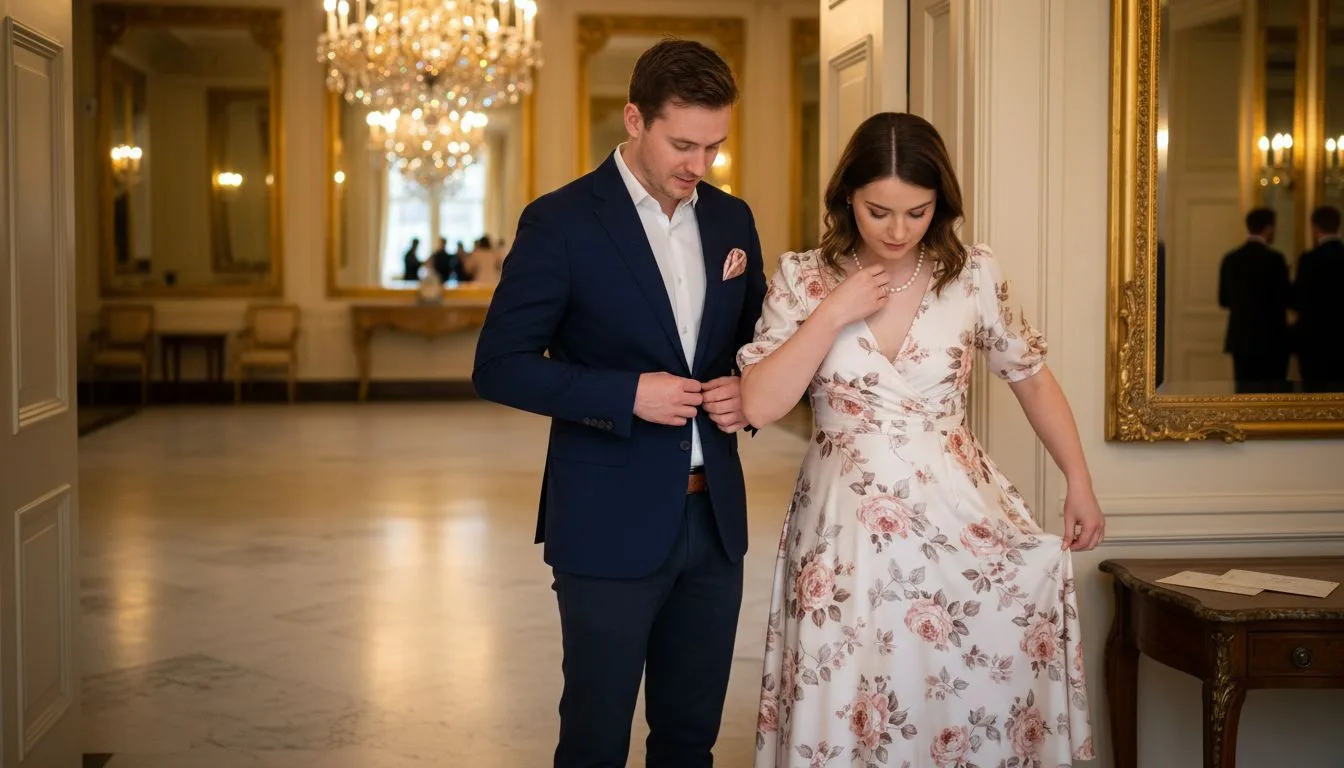
Choosing the perfect wedding outfit can quickly become a maze of questions when facing a calendar of ceremonies in cities like Dublin, London, or Manchester. Wedding guest attire is more than just style—it’s a signal of respect for the couple and an understanding of unspoken social cues. This guide breaks down occasion-specific wedding dress codes, helping you feel confident, poised, and perfectly dressed for any celebration.
Table of Contents
- Defining Occasion-Specific Dressing For Weddings
- Common Wedding Dress Codes And Their Meanings
- Key Elements Of Occasion-Appropriate Outfits
- How Venue, Season, And Culture Shape Dress Codes
- Mistakes To Avoid With Wedding Attire Choices
Key Takeaways
| Point | Details |
|---|---|
| Understanding Dress Codes | Familiarize yourself with different wedding dress codes to align your attire with the event’s formality and cultural significance. |
| Consider Venue and Season | Select clothing that complements the venue and season, ensuring comfort and appropriateness for the setting. |
| Avoid Common Mistakes | Steer clear of wearing white, violating dress codes, or underdressing for the occasion to respect the couple’s celebration. |
| Communicate with Couples | When in doubt about attire, consult the couple or wedding party to ensure your outfit is suitable and respectful. |
Defining Occasion-Specific Dressing for Weddings
Occasion-specific dressing transforms clothing from mere fabric into a strategic expression of social awareness and respect. For wedding events, this means understanding the nuanced expectations that differ dramatically across ceremony types, venues, and cultural traditions. Unlike standard fashion choices, wedding attire requires careful consideration of context, tradition, and social dynamics.
Wedding dress codes represent a complex communication system where your outfit signals both personal style and cultural understanding. Different wedding styles demand specific sartorial approaches:
- Formal Evening Weddings: Require sophisticated, floor-length gowns or elegant cocktail dresses
- Daytime Garden Weddings: Allow lighter fabrics, floral prints, and more relaxed silhouettes
- Destination Beach Weddings: Demand lightweight, breathable materials and more casual styling
- Religious Ceremonies: Necessitate modest cuts and potentially specific color restrictions
Successful occasion-specific dressing isn’t just about looking good—it’s about demonstrating social intelligence and respect for the celebratory moment. Wedding party dress choices reflect your understanding of the event’s emotional and cultural significance, transforming clothing into a nuanced form of communication.
Key factors influencing wedding outfit selection include venue, time of day, cultural background, and specific dress code instructions. Professional wedding guests understand that their attire should complement the event’s tone without overshadowing the wedding party. This requires a delicate balance of personal style, social awareness, and respectful interpretation of provided guidelines.
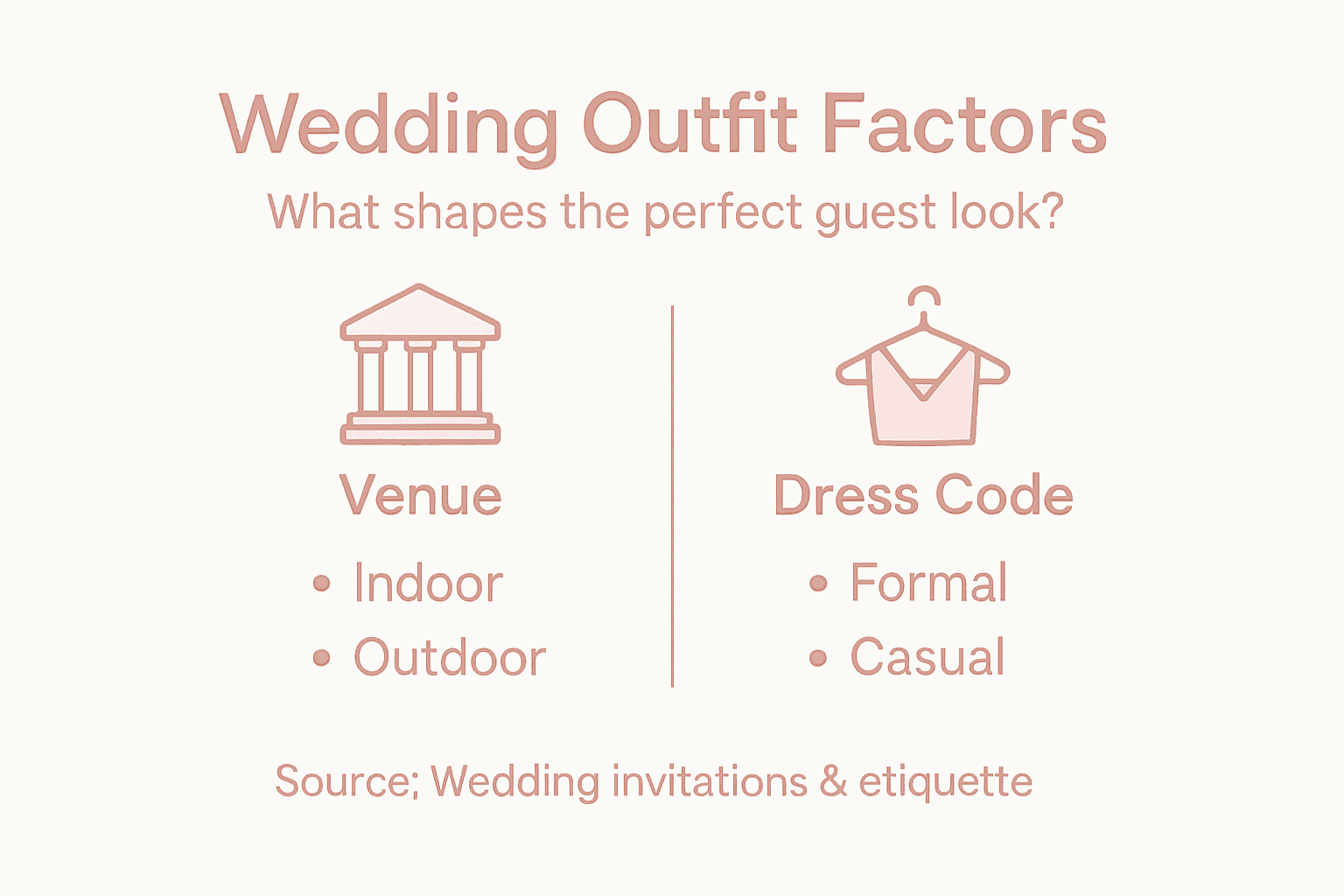
Pro tip: Always confirm the wedding invitation’s specific dress code and ask the couple directly if you’re uncertain about appropriate attire.
Common Wedding Dress Codes and Their Meanings
Wedding dress codes are a sophisticated language of style, communicating the event’s formality and expected attire through carefully defined parameters. Wedding dress code guidelines range from ultra-formal white tie events to casual celebrations, each carrying specific expectations for guest wardrobes.
Understanding these dress codes helps guests navigate social expectations and demonstrate respect for the couple’s vision. The most common wedding dress codes include:
- White Tie: Most formal option, requiring floor-length gowns and tailcoats
- Black Tie: Elegant evening wear with tuxedos and formal evening gowns
- Black Tie Optional: Allows flexibility between formal suits and cocktail dresses
- Cocktail Attire: Semi-formal option featuring knee-length to midi dresses
- Semi-Formal: Polished but less rigid, permitting dress pants and blazers
- Casual: Relaxed dress code with comfortable yet put-together outfits
Each dress code communicates subtle social expectations beyond just clothing choices. Wedding guest attire guidelines help attendees understand the nuanced relationship between venue, time of day, and appropriate styling. A beach wedding might permit more relaxed attire, while a cathedral ceremony demands more structured, formal clothing.
Dress codes also reflect cultural and personal preferences, serving as a visual representation of the couple’s wedding aesthetic. Some couples incorporate themed dress codes that celebrate their heritage, personal style, or specific wedding vision, transforming attire into a form of storytelling and celebration.
Pro tip: When in doubt about a dress code, always err on the side of being slightly more formal and ask the couple or wedding party for specific guidance.
Here’s how wedding dress codes compare on formality and typical outfit expectations:
| Dress Code | Typical Attire Example | Level of Formality |
|---|---|---|
| White Tie | Tailcoat, evening gown | Ultra formal |
| Black Tie | Tuxedo, floor-length dress | Very formal |
| Black Tie Optional | Dark suit, cocktail dress | Formal but flexible |
| Cocktail Attire | Suit, knee/midi dress | Semi-formal |
| Semi-Formal | Blazer, dress pants, sundress | Polished casual |
| Casual | Dress shirt, smart dress | Relaxed, informal |
Key Elements of Occasion-Appropriate Outfits
Wedding guest attire strategies demand careful consideration beyond simply selecting a beautiful outfit. Occasion-appropriate dressing involves understanding the complex interplay between social expectations, venue characteristics, and personal style, creating a harmonious visual presentation that respects the event’s unique context.
The key elements of crafting an appropriate wedding outfit include:
- Color Selection: Avoid white, cream, or colors that might compete with the wedding party
- Fabric Choice: Match material weight and texture to venue and season
- Fit and Silhouette: Prioritize tailored cuts that complement the dress code
- Accessory Coordination: Select pieces that enhance without overwhelming the outfit
- Cultural Sensitivity: Respect potential traditional or religious dress requirements
- Comfort Considerations: Balance style with practical wearability
Understanding venue-specific nuances dramatically influences outfit selection. A beachside wedding requires dramatically different considerations compared to an urban formal reception. Lightweight, breathable fabrics work perfectly for outdoor summer celebrations, while structured, sophisticated ensembles suit elegant indoor venues.
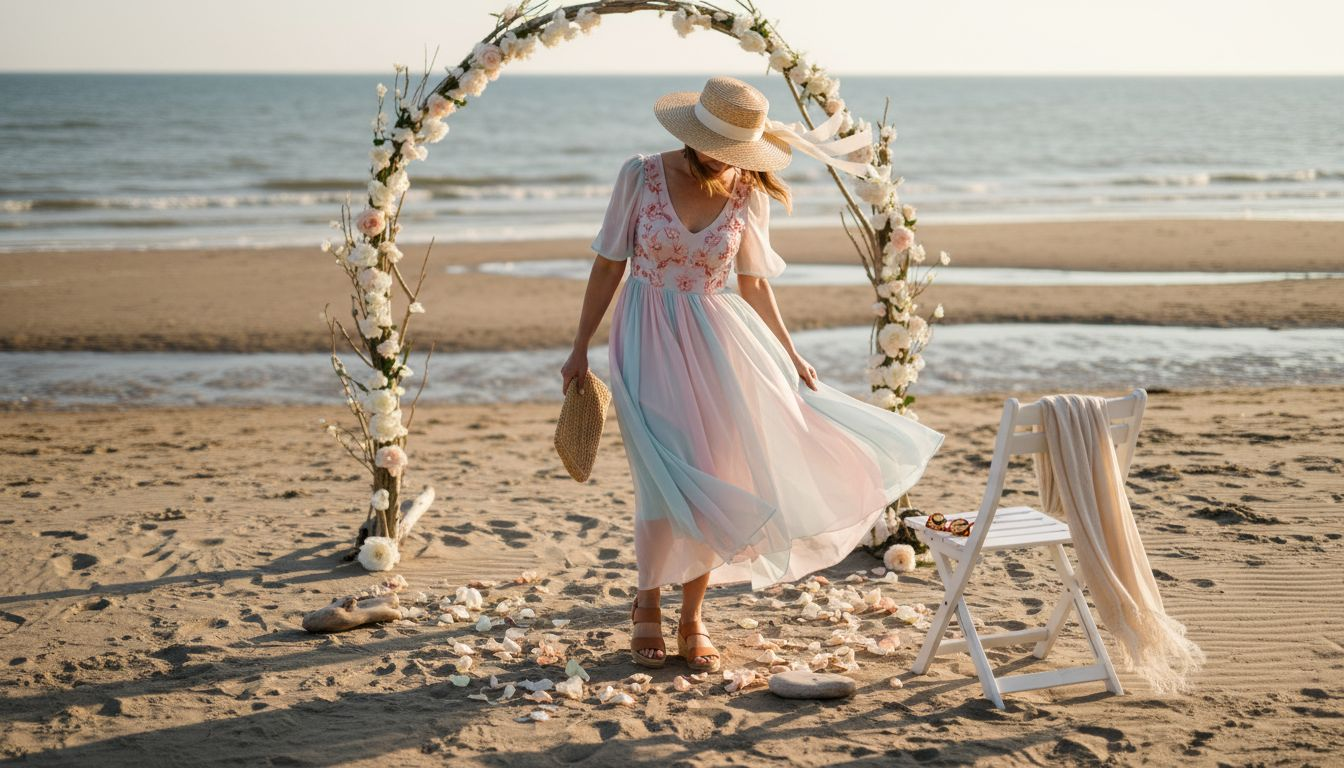
Accessories play a crucial role in elevating an outfit from acceptable to exceptional. Strategic jewelry choices, carefully selected shoes, and thoughtful layering can transform a basic outfit into a sophisticated ensemble that communicates social awareness and personal style. The goal is to create a cohesive look that feels both personal and respectful of the wedding’s unique atmosphere.
Pro tip: Always pack a lightweight wrap or jacket to accommodate unexpected temperature changes and venue transitions.
Compare key considerations for selecting the right wedding attire:
| Consideration | Why It Matters | Impact on Outfit Choice |
|---|---|---|
| Venue Type | Signals expected style | Formal for ballrooms, casual for outdoors |
| Season/Weather | Affects comfort and look | Light fabrics in summer, layers in winter |
| Cultural Traditions | Shows respect and awareness | Adapts style, color, or coverage |
| Personal Style | Balances individuality | Adds distinctive accessories tastefully |
How Venue, Season, and Culture Shape Dress Codes
Cultural fashion influences create a complex framework for wedding attire that extends far beyond simple clothing choices. The intersection of venue, season, and cultural traditions transforms wedding dress codes into a nuanced expression of personal and collective identity, reflecting deep-rooted social narratives and contemporary style sensibilities.
Venue and seasonal considerations dramatically impact outfit selection through several key factors:
- Temperature Adaptations: Lightweight fabrics for summer, layered options for winter
- Terrain Considerations: Beach weddings demand different footwear than urban venues
- Lighting and Atmosphere: Evening events require different fabric choices than daytime celebrations
- Regional Climate Influences: Tropical versus temperate environments dictate distinct styling approaches
- Architectural Context: Indoor versus outdoor settings significantly impact appropriate attire
Wedding dress traditions demonstrate how deeply cultural heritage intertwines with clothing choices. In many societies, wedding attire becomes a powerful visual language communicating familial history, social status, and regional identity. Indian wedding traditions, for instance, showcase intricate textile work that reflects generations of craftsmanship and symbolic meaning.
The dynamic relationship between personal style and cultural expectations creates a rich tapestry of wedding fashion. Modern couples increasingly blend traditional elements with contemporary designs, allowing guests to navigate dress codes that honor heritage while embracing individual expression. This approach transforms wedding attire from a mere dress requirement into a celebration of cultural diversity and personal creativity.
Pro tip: Research the specific cultural context of the wedding to ensure your outfit respects local traditions while expressing your personal style.
Mistakes to Avoid with Wedding Attire Choices
Wedding guest attire mistakes can transform a celebration into an uncomfortable social minefield. Understanding the nuanced landscape of wedding dress expectations requires strategic thinking and careful consideration of multiple social and practical factors.
The most critical wedding attire mistakes fall into several key categories:
- Color Faux Pas: Wearing white or cream colors that compete with the wedding party
- Dress Code Violations: Ignoring specified attire guidelines
- Inappropriate Footwear: Selecting shoes unsuitable for venue terrain
- Comfort Compromise: Prioritizing fashion over practical wearability
- Cultural Insensitivity: Disregarding traditional dress expectations
- Over-Accessorizing: Wearing distracting or excessive jewelry
Wedding dress shopping errors reveal that many fashion missteps stem from impulsive decision-making and lack of strategic planning. Guests often underestimate the importance of researching the specific wedding’s context—including venue, time of day, cultural background, and couple’s personal style—which are crucial for selecting an appropriate outfit.
Navigating wedding attire requires a delicate balance between personal expression and social sensitivity. Each wedding represents a unique environment with its own unwritten rules, and successful guests understand how to read and respect these subtle social signals. The goal is to blend in elegantly while celebrating the couple’s special day, avoiding any choices that might inadvertently draw unnecessary attention or create discomfort.
Pro tip: When in doubt about appropriate attire, always reach out to the couple or wedding party for specific guidance.
Master the Art of Wedding Attire with Confidence and Style
Finding the perfect wedding outfit can be a challenge when you want to respect dress codes, venue specifics, and cultural nuances while staying true to your personal style. This article highlights key pain points such as navigating formal and casual dress codes, avoiding common fashion mistakes, and choosing occasion-appropriate fabrics and colors. If you want to elevate your wardrobe with pieces designed to help you express social awareness and elegance look no further than our curated collections.
Explore the Fashion Archives – Beecollectibles for versatile options that suit every wedding occasion from black tie to casual garden parties. Whether you need breathable summer fabrics or chic layering pieces to match a winter celebration, we offer selections that combine comfort with sophistication. Don’t wait to create your flawless wedding guest wardrobe because the right outfit can make all the difference in feeling confident and respectful on the special day. Visit Bee Collectibles now and start shopping with purpose.
Frequently Asked Questions
What should I consider when choosing an outfit for a wedding?
When selecting an outfit for a wedding, consider the venue, time of day, dress code specified in the invitation, cultural traditions, and the season. These factors will help guide your choice to ensure it is appropriate and respectful of the occasion.
What are the common wedding dress codes and their meanings?
Common wedding dress codes include White Tie (ultra formal), Black Tie (very formal), Black Tie Optional (formal but flexible), Cocktail Attire (semi-formal), Semi-Formal (polished casual), and Casual (relaxed). Each code indicates the level of formality expected from guests.
How can I ensure my wedding outfit is culturally appropriate?
To ensure your wedding outfit is culturally appropriate, research the specific traditions related to the wedding. Be aware of any color restrictions, modesty requirements, or specific styles that are culturally significant to the couple’s background.
What are some common mistakes to avoid when dressing for a wedding?
Common mistakes to avoid include wearing white or cream colors that compete with the wedding party, ignoring the specified dress code, choosing inappropriate footwear for the venue, and over-accessorizing. Always prioritize comfort while still adhering to the expected style.
Recommended
- 7 Stunning Womens Wedding Guest Dresses for Any Occasion
- Wedding Party Dresses Ireland | Wedding Party Dress
- 7 Stunning Ways To Style A Dress With Gloves In 2026 – Beecollectibles
- Express Your Style: Finding the Perfect Party Dress – Beecollectibles
- How to Style Your Black Tie Dress for Any Formal Event – The Regimental Store Ltd
- Step-by-Step Guide to Conscious Fashion for 2026 – ELEDOasis
- Master Fashion Accessory Pairing Workflow for Winter Looks – Smoked Times
One thought on “Occasion-Specific Dressing: Wedding Outfit Essentials”