


 Day Dresses
 Midi Dresses
 Maxi Dress
 Cocktail Dresses
 Party Dresses
 Occasion
 Wedding Guest
 Church & Special Events
 Co-Ord Sets
 Evening Dresses
 Embellished
 Rhinestone & Crystal
 Sequins
 Lace
Lace Satin
Satin Velvet
 Statement Sleeves
 Structured
 Black Tie
 Formal
 Designer
 Couture-Inspired
 Crystal & Hand-Embellished
 Exclusive Pieces
 Birthday
 Race Day
 Graduation
 A-Line
 Bodycon
 Wrap
Wrap

 Occasion Jumpsuits
 Evening Jumpsuits
 Trouser Sets
 Blazer Sets
 Skirt Sets
 Earrings
 Bracelets
 Bags
Bags Cluctches
What Is Digital Fashion and Why It Matters


Scrolling through your Instagram feed, you might spot a friend rocking a bold new look—except that outfit only exists online. Digital fashion has become a major force for women in Ireland, combining self-expression with sustainability and instant style for every social event or virtual hangout. As fashion shifts online, understanding virtual creation and consumption of clothing gives you the power to refresh your digital presence while reducing environmental impact and embracing the latest trends.
Table of Contents
- Defining Digital Fashion In Today’s World
- Exploring Types Of Digital Clothing And Platforms
- How Digital Fashion Works: Tools And Processes
- Benefits For Style, Sustainability, And Social Life
- Risks, Costs, And What To Watch Out For
Key Takeaways
| Point | Details |
|---|---|
| Digital Fashion Defined | Digital fashion encompasses virtual garments, AR overlays, and NFTs, providing a marketplace where users can create, buy, and wear clothing without physical production. |
| Sustainability Benefits | Digital fashion significantly reduces environmental impact by eliminating textile waste, water usage, and shipping emissions associated with traditional clothing production. |
| Social Impact and Expression | It democratizes fashion, allowing individuals of all budgets to experiment with styles and showcase their identity across various virtual platforms. |
| Risks and Considerations | Consumers must be aware of platform stability, the volatility of NFTs, and the complexities surrounding digital ownership when investing in digital fashion. |
Defining Digital Fashion in Today’s World
Digital fashion is no longer just a design tool or visualization aid. It’s evolved into a complete ecosystem where you can create, buy, wear, and share clothing that exists only in digital spaces. Think of it as fashion that lives on your avatar, in video games, on social media, and across the metaverse—without any physical garment ever being made.
Virtual creation and consumption of fashion using digital technologies has fundamentally shifted how the industry operates. What started as 3D sketching tools for designers has transformed into an entire marketplace where brands sell clothing you’ll never touch.
What Digital Fashion Actually Includes
Digital fashion covers more than just one thing. Here’s what falls under this umbrella:
- 3D garment design using specialized software before production
- Virtual try-ons that let you see how clothes fit your avatar
- Digital avatars representing your virtual self across platforms
- NFT fashion items you own and trade online
- Social media wearables you display in photos and videos
- Metaverse clothing for gaming and virtual environments
Each of these uses digital technology to create fashion experiences without physical manufacturing.
How It’s Different from Traditional Fashion
Traditional fashion requires fabric, stitching, shipping, and storage. Digital fashion requires none of that. You don’t worry about sizing problems, shipping delays, or that jacket gathering dust in your closet. When you purchase a digital piece, it’s instant and permanent across your accounts.
Digital fashion lets you own unlimited outfits without the environmental impact or storage headaches of physical clothing.
The shift also changes who controls your wardrobe. Brands can update, modify, or customize digital pieces in real-time. You can wear the same outfit across multiple platforms simultaneously—something impossible with physical clothes.
Why Irish Women Should Care
For fashion-conscious women in Ireland, digital fashion offers real advantages. You get access to exclusive designer collections without import taxes or shipping costs. You can experiment with trends before committing to expensive physical purchases. You can showcase your style on Instagram and TikTok with pieces that cost a fraction of traditional fashion.
Social events, online gatherings, and virtual dating create new reasons to refresh your digital wardrobe. Birthday parties on Zoom, professional video calls, gaming events—your digital presence matters, and your avatar reflects who you are.
Pro tip: Start with one digital outfit on a platform you already use, like Instagram or TikTok filters, to understand how digital fashion works before investing in NFT clothing or metaverse items.
Exploring Types of Digital Clothing and Platforms
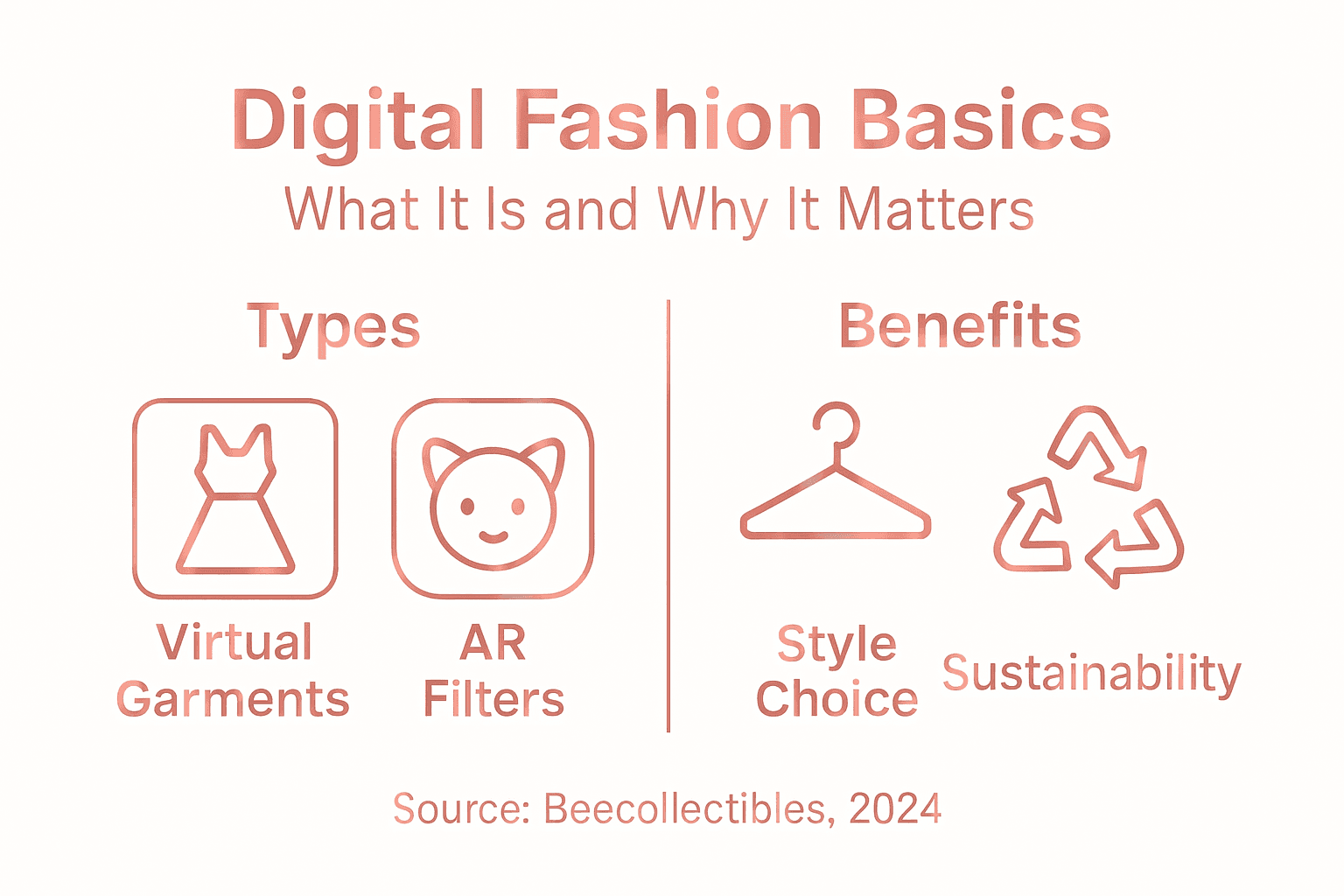
Digital clothing isn’t one-size-fits-all. There are six distinct types of digital fashion products, each serving different purposes and existing on different platforms. Understanding these categories helps you figure out which digital fashion experiences match your needs and budget.
The Six Types of Digital Clothing
Six different types of digital fashion end-products now dominate the market. Here’s what you’ll encounter:
- Purely virtual garments exist only digitally on avatars and social platforms
- Augmented reality overlays let you layer clothing onto photos and videos
- Avatar clothing for metaverse environments like Decentraland and Roblox
- NFT-based fashion assets you own as blockchain-verified pieces
- Phygital items combining physical garments with digital components
- Smart wearable technologies embedding digital features into actual clothes
Each type offers different experiences and value propositions. Virtual garments are purely for display, while smart wearables actually function in the physical world.
Here’s a comparison of digital fashion types and where you’ll find them:
| Digital Fashion Type | Typical Platform | Example Value |
|---|---|---|
| Pure Virtual Garments | Social media, metaverse | Low cost, creative |
| AR Overlays | Instagram, TikTok | Instant try-on |
| NFT Fashion Assets | Blockchain marketplaces | Collectible, unique |
| Phygital Items | Brand apps, boutiques | Tangible + digital |
| Smart Wearable Tech | Physical garments | Adds functionality |
Where You’ll Find Digital Clothing
Digital fashion lives across multiple platforms, not just one marketplace. Social media platforms like Instagram and TikTok host AR filters and avatar customization. Gaming environments such as Fortnite and Roblox let you outfit your character. Specialized digital fashion marketplaces like The Fabricant and DressX focus exclusively on digital clothing sales.
Different platforms serve different purposes—social media for quick trends, gaming for immersive experiences, and digital fashion marketplaces for investment-grade pieces.
Metaverse platforms offer persistent digital wardrobes where your avatar wears the same outfit across multiple virtual spaces. This permanence differs from social media filters, which are temporary and platform-specific.
What Makes Each Type Worth Considering
Virtual garments cost significantly less than physical fashion, ranging from two to fifty dollars for designer pieces. AR overlays offer instant gratification—you try them on immediately in photos. NFT fashion appeals to collectors seeking ownership and resale potential. Phygital items bridge both worlds if you want physical tangibility plus digital features.
For Irish women interested in sustainable fashion, digital clothing eliminates manufacturing waste entirely. You get unlimited wardrobe variety without storage concerns or environmental impact.
Pro tip: Start with free AR filters on Instagram or TikTok to experience digital clothing with zero cost, then explore paid digital garments once you understand what appeals to your style.
How Digital Fashion Works: Tools and Processes
Behind every digital outfit is technology you probably never think about. The process of creating, designing, and distributing digital fashion relies on sophisticated software and innovations that have transformed how clothing comes to life. Understanding these tools helps you appreciate what you’re buying and wearing.
The Design Side: Creating Digital Garments
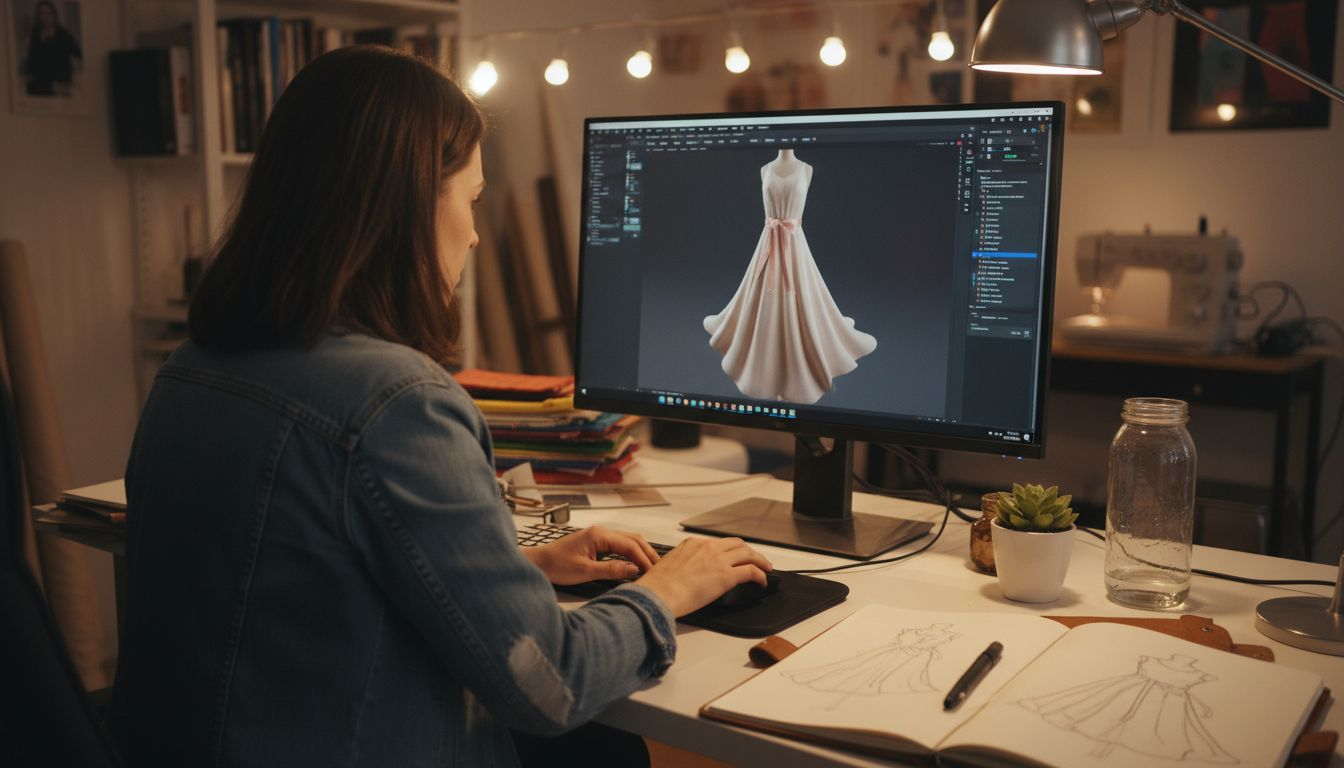
Computer-aided design and 3D modeling form the foundation of digital fashion creation. Designers use specialized software to build virtual garments from scratch, testing fit and movement before anything physical gets made.
The design process reduces waste dramatically compared to traditional fashion. A designer can create fifty iterations of a dress digitally, test how it moves on different body types, and refine details—all without cutting a single piece of fabric. This efficiency translates to faster trend cycles and lower production costs.
Virtual sampling eliminates the need for physical samples during development. Brands test colors, fabrics, and silhouettes on digital avatars representing various body shapes, preventing overproduction of styles that won’t sell.
Advanced Tools Powering Digital Fashion
Several cutting-edge technologies now shape how digital fashion operates:
- 3D simulation software creates realistic fabric movement and draping
- Virtual reality immerses designers in garment creation environments
- Augmented reality lets consumers try clothes on instantly
- Artificial intelligence generates design inspiration and predicts trends
- Digital printing hubs produce customized pieces regionally
- Digital product passports track sustainability and transparency
Each tool serves a specific purpose in streamlining creation, production, and distribution.
From Design to Your Avatar
Once designed, digital garments move through a streamlined supply chain. Instead of factories and shipping warehouses, files transfer instantly to platforms where you purchase them. Your digital clothing lives in the cloud, accessible across any device or metaverse platform.
Digital fashion eliminates physical distribution entirely—your purchase is instant, infinite in quantity, and generates zero shipping emissions.
This process also enables customization at scale. Brands can offer unlimited color variations of a single garment without manufacturing each one separately. You pick the exact shade and style you want, and the file adjusts before delivery.
Pro tip: Look for brands offering digital product passports that show sustainability metrics, helping you make informed choices about the digital pieces you invest in.
Benefits for Style, Sustainability, and Social Life
Digital fashion isn’t just a trend—it solves real problems while offering genuine advantages for your style, the environment, and your social connections. These benefits align perfectly with what matters to fashion-conscious women in Ireland who care about making responsible choices.
Style Freedom Without Limits
Digital fashion removes the constraints that define traditional shopping. You’re no longer limited by your closet space, your budget for physical garments, or sizing issues that plague online shopping. Experiment with bold colors, unconventional silhouettes, and trend forecasting without commitment.
Your digital wardrobe expands infinitely. You can own fifty different outfits for social events, professional video calls, and gaming nights—each costing less than a single physical piece. Mix and match digital pieces across different platforms, creating a cohesive personal style that evolves with you.
Digital fashion gives you complete creative control over your appearance across every online space you inhabit.
Personalization becomes effortless. Customize colors, patterns, and details to match your exact preferences. Brands can offer unlimited variations without manufacturing each one separately, ensuring your digital pieces feel uniquely yours.
Real Sustainability Impact
Digital fashion reduces physical production and minimizes resource use through virtual-only end-products and streamlined supply chains. Unlike physical clothing manufacturing, which demands water, energy, and raw materials, digital garments exist as files.
The environmental math is straightforward:
- Zero textile waste from digital-only clothing
- No water consumption in garment production
- Eliminated shipping emissions across supply chains
- Reduced overproduction of unsold inventory
- Extended product lifecycles through digital updates
For Irish women concerned about fashion’s environmental footprint, digital fashion offers guilt-free style. You participate in trends without contributing to textile waste or carbon emissions.
Enhanced Social Connections
Digital fashion creates new ways to express yourself socially. Your avatar becomes an extension of your identity across gaming, metaverse spaces, and social platforms. Fashion becomes a conversation starter rather than a status symbol based on price tags.
This democratization means style matters more than spending power. Someone with a modest budget can look equally polished and creative as someone spending significantly more. Social inclusivity expands when everyone accesses the same design talent and quality.
Virtual events—from online birthday celebrations to professional networking—require digital presence that reflects your personality. Your digital wardrobe becomes as important as your physical one for these interactions.
Pro tip: Build a signature digital style by investing in timeless digital pieces that work across multiple platforms, then add trend-based items seasonally to keep your avatar wardrobe fresh without overspending.
Risks, Costs, and What to Watch Out For
Digital fashion offers incredible benefits, but it’s not without downsides. Understanding the real costs, risks, and pitfalls helps you make smarter purchasing decisions and avoid frustrating situations. Think of this as the reality check before you invest in your digital wardrobe.
To help you weigh benefits and risks of digital fashion:
| Area | Main Benefit | Key Risk |
|---|---|---|
| Style | Unlimited customization | Platform restrictions |
| Sustainability | No textile or shipping emissions | Energy use for NFTs |
| Social Life | Share looks across platforms | Security of digital assets |
| Investment | Lower entry cost than luxury wear | Volatile resale value |
The Real Cost Factor
Digital clothing isn’t always cheap, despite the hype. While prices range lower than physical fashion, premium designer pieces can cost twenty to one hundred dollars. Limited edition NFT fashion items command even higher prices, sometimes reaching thousands of dollars for collectible pieces.
Platform lock-in creates hidden costs. Purchase a digital outfit on one platform, and you might not wear it elsewhere. You’re buying access, not ownership in many cases. If the platform shuts down or changes terms, your investment disappears.
Infrastructure and platform fees reduce your actual value. Marketplaces take commissions on NFT sales. Virtual reality platforms charge for premium features. These costs accumulate across multiple platforms.
Technological and Investment Risks
Digital fashion introduces technological uncertainties and pricing challenges that affect both consumers and creators. Emerging technologies may become obsolete quickly. The metaverse platforms where you wear digital clothes remain unproven and volatile.
Key risks include:
- Platform volatility affecting where you can wear purchased items
- NFT market instability impacting resale value significantly
- Technology obsolescence rendering digital formats incompatible
- Account security threats risking loss of your digital inventory
- Limited creator protections making intellectual property complex
Investing in digital fashion assumes these platforms will survive and thrive. That’s not guaranteed.
Intellectual Property and Legal Complexity
Complex intellectual property issues challenge digital fashion regulation across emerging markets and platforms. Licensing, copyright, and ownership rights remain unclear in many jurisdictions. Smaller designers struggle navigating legal frameworks in this space.
When you purchase an NFT fashion item, unclear ownership rules mean disputes arise. Can you resell it? Can the original creator modify it? These questions lack definitive answers in many cases.
Digital fashion’s legal landscape is still forming—know that buying today means accepting regulatory uncertainty.
Smart Shopping Safeguards
Protect yourself by researching platforms before investing. Check company stability, user reviews, and platform track records. Start small with affordable pieces before committing to expensive digital items.
Choose established platforms over newer alternatives. Instagram filters and Roblox offer stability. Newer metaverse platforms carry higher risk. Diversify across platforms so losing access to one doesn’t devastate your wardrobe.
Read terms carefully. Understand what you’re actually purchasing and what happens if the platform changes policies or closes.
Pro tip: Treat expensive digital pieces like speculative investments, not wardrobe staples, and reserve most of your digital budget for affordable, wearable items across stable platforms.
Discover the Future of Style with Digital Fashion and Beecollectibles
Digital fashion offers a revolutionary way to express your unique style without the limits of physical clothing. If you are seeking to break free from traditional sizing issues, avoid environmental waste, and showcase your personality effortlessly on social media and virtual platforms, then embracing digital fashion is your next smart move. At Beecollectibles, we understand your desire for creative freedom, sustainability, and social presence in your wardrobe. Explore our Fashion Archives – Beecollectibles to find inspiration that blends timeless style with cutting-edge trends.
Experience how you can elevate your look today by browsing our specially curated collections at Beecollectibles. Dive deeper into style ideas with our Style Archives – Beecollectibles and redefine your fashion journey. There is no better time to embrace an evolving digital wardrobe that complements your life both online and offline. Start now and make your signature statement across every platform you inhabit.
Frequently Asked Questions
What is digital fashion?
Digital fashion refers to clothing and style created and experienced exclusively in digital spaces, such as virtual environments, video games, and social media platforms, without any physical production or materials.
How does digital fashion differ from traditional fashion?
Unlike traditional fashion, which involves physical materials, manufacturing, and shipping, digital fashion is instant and sustainable, allowing users to own and wear clothing directly on their digital avatars without concerns about sizing or storage.
What are the benefits of digital fashion?
Digital fashion offers several advantages, including unlimited customization, reduced environmental impact, and the ability to experiment with styles without financial commitment. It also fosters social interactions through unique digital expressions.
What types of digital clothing are available?
There are six main types of digital clothing: purely virtual garments, augmented reality overlays, avatar clothing for metaverse platforms, NFT fashion assets, phygital items that combine digital and physical elements, and smart wearable technologies that enhance actual clothing with digital features.
Dresses