


 Day Dresses
 Midi Dresses
 Maxi Dress
 Cocktail Dresses
 Party Dresses
 Occasion
 Wedding Guest
 Church & Special Events
 Co-Ord Sets
 Evening Dresses
 Embellished
 Rhinestone & Crystal
 Sequins
 Lace
Lace Satin
Satin Velvet
 Statement Sleeves
 Structured
 Black Tie
 Formal
 Designer
 Couture-Inspired
 Crystal & Hand-Embellished
 Exclusive Pieces
 Birthday
 Race Day
 Graduation
 A-Line
 Bodycon
 Wrap
Wrap

 Occasion Jumpsuits
 Evening Jumpsuits
 Trouser Sets
 Blazer Sets
 Skirt Sets
 Earrings
 Bracelets
 Bags
Bags Cluctches
Role of Color in Fashion: Transforming Event Style

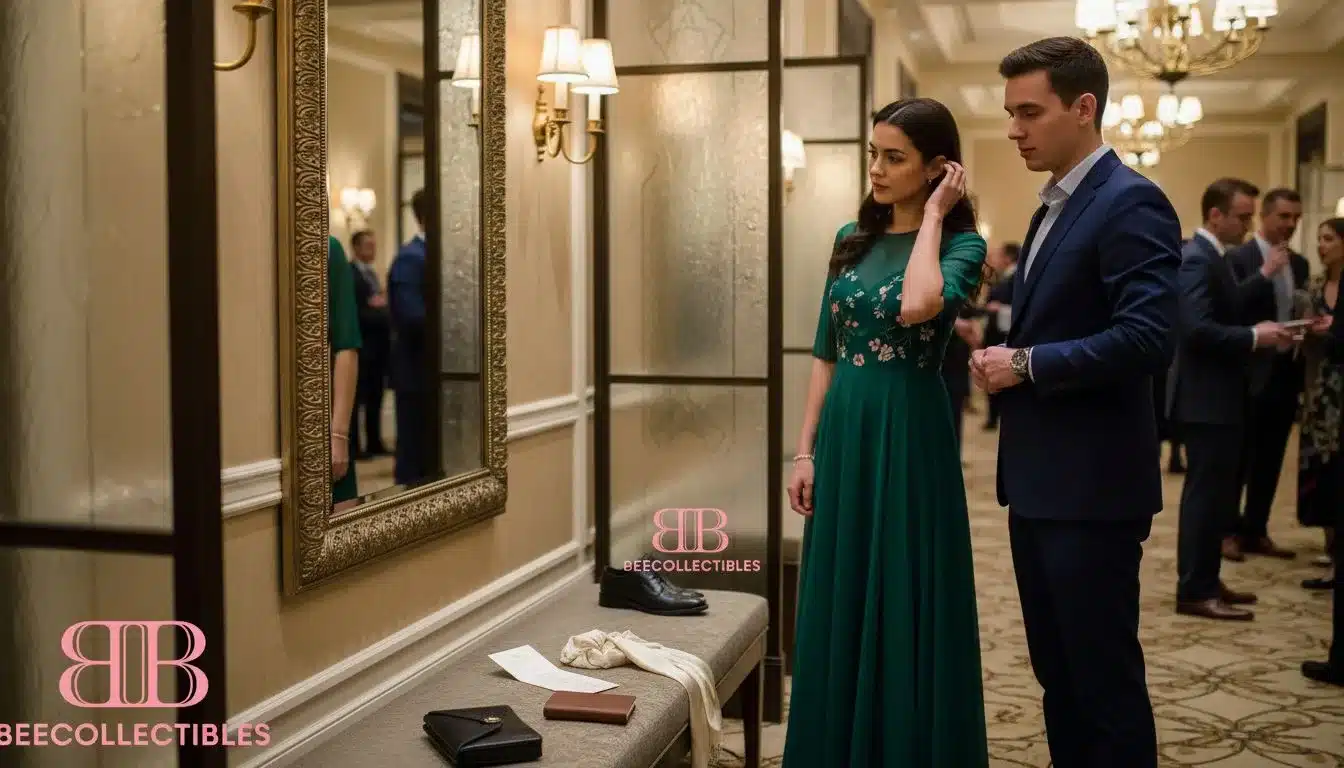
Choosing what to wear for a wedding or social event can feel like a puzzle, especially when you want to stand out without overdoing it. Color has proven psychological influence, shaping first impressions and boosting confidence before you even say hello. For fashion-forward women in American and British cities, understanding the power of a communication tool like color gives you the edge in personal style. This guide reveals how strategic color choices elevate your presence and help you express exactly the message you intend.
Table of Contents
- What Role Does Color Play In Fashion?
- Core Principles Of Color Theory In Fashion
- How Colors Influence Style And Perception
- Using Color To Stand Out At Events
- Common Color Mistakes And How To Avoid Them
Key Takeaways
| Point | Details |
|---|---|
| Color as a Communication Tool | Color influences perceptions and emotions, shaping how others view you instantly. |
| Strategic Color Choices | Selecting appropriate colors for events signals awareness and respect for context. |
| Understanding Color Theory | Knowledge of color relationships enhances outfit coordination and personal style. |
| Balancing Coordination and Contrast | Intentional color combinations create impactful looks without sacrificing individuality. |
What Role Does Color Play in Fashion?
Color is far more than decoration in fashion. It’s a communication tool that shapes how others perceive you before you even speak. The psychological significance of color in fashion directly influences mood, confidence, and the impression you make at events.
Think of color as your outfit’s emotional language. A deep jewel tone conveys sophistication. Soft pastels suggest approachability. Bold primaries demand attention. Your choice dictates the energy you bring to any gathering.
Color works through multiple channels simultaneously:
- Psychological response: Colors trigger instant emotional reactions in others, often unconsciously
- Cultural meaning: Different colors carry distinct significance across cultures and traditions
- Personal impact: Certain hues enhance your complexion, eye color, and overall radiance
- Event appropriateness: Some colors align better with specific occasions and dress codes
- Trend relevance: Current color palettes influence how modern and styled your look appears
For a wedding guest, color choice involves tactical thinking. Navy and black read formal and respectful. Blush and champagne suggest elegance without competing for attention. Jewel tones like emerald or sapphire add personality while maintaining sophistication. You’re not just wearing a color; you’re making a statement within social boundaries.
The relationship between your skin tone and color choice cannot be ignored. Certain hues reflect light back toward your face, creating a lifted, glowing effect. Others can wash you out, making you appear tired or less vibrant. This is why the same dress in two different colors produces completely different results on the same person.
Color communicates identity, emotion, and intention—making it one of fashion’s most powerful design elements.
At networking events, professional galas, or upscale dinners, color selection signals your understanding of context and self-awareness. It shows you’ve thought about the occasion, the setting, and how to present yourself authentically within those parameters.
The challenge isn’t finding beautiful colors. It’s finding the right beautiful colors for you, in the right context, for the right moment. That’s where strategic color knowledge transforms your entire event experience.
Here’s a quick reference for choosing event-appropriate colors:
| Event Type | Best Color Choices | Why They Work |
|---|---|---|
| Black-Tie Gala | Navy, black, jewel tones | Conveys formality and elegance |
| Outdoor Day Event | Soft pastels, blush, nude | Feels fresh and approachable |
| Beach Wedding | Coral, turquoise, light blue | Enhances relaxed, scenic vibe |
| Corporate Networking | Burgundy, mustard, gray | Signals professionalism and style |
| Art Gallery Opening | Subdued emerald, slate | Shows taste without distraction |
Pro tip: When unsure about color choice for an event, reference the invitation’s tone and venue formality—these guide whether you should play it neutral and classic or experiment with bolder, more personal hues.
Core Principles of Color Theory in Fashion
Color theory isn’t just art class terminology. It’s the framework that transforms a decent outfit into one that stops people in their tracks. Understanding these principles gives you scientific reasoning behind your color choices at events.
The color wheel is your foundational tool. It shows relationships between colors: opposites that pop, neighbors that harmonize, and triads that create dynamic balance. Color harmony principles guide how to combine hues so they feel intentional, not accidental.
Here are the core principles every style-conscious woman should know:
- Complementary colors: Opposites on the wheel create maximum visual impact and vibrancy
- Analogous colors: Neighbors on the wheel feel cohesive and sophisticated together
- Triadic harmony: Three colors equally spaced create balanced, energetic combinations
- Monochromatic: Varying shades of one color deliver elegance and visual continuity
- Contrast: Light versus dark creates dimension and draws attention strategically
Let’s make this practical. Wearing a jewel-toned emerald dress? Its complementary color is red, so red shoes or a red clutch create electric sophistication. Pairing soft blue with blush pink follows analogous principles, creating a cohesive, approachable look perfect for garden weddings.
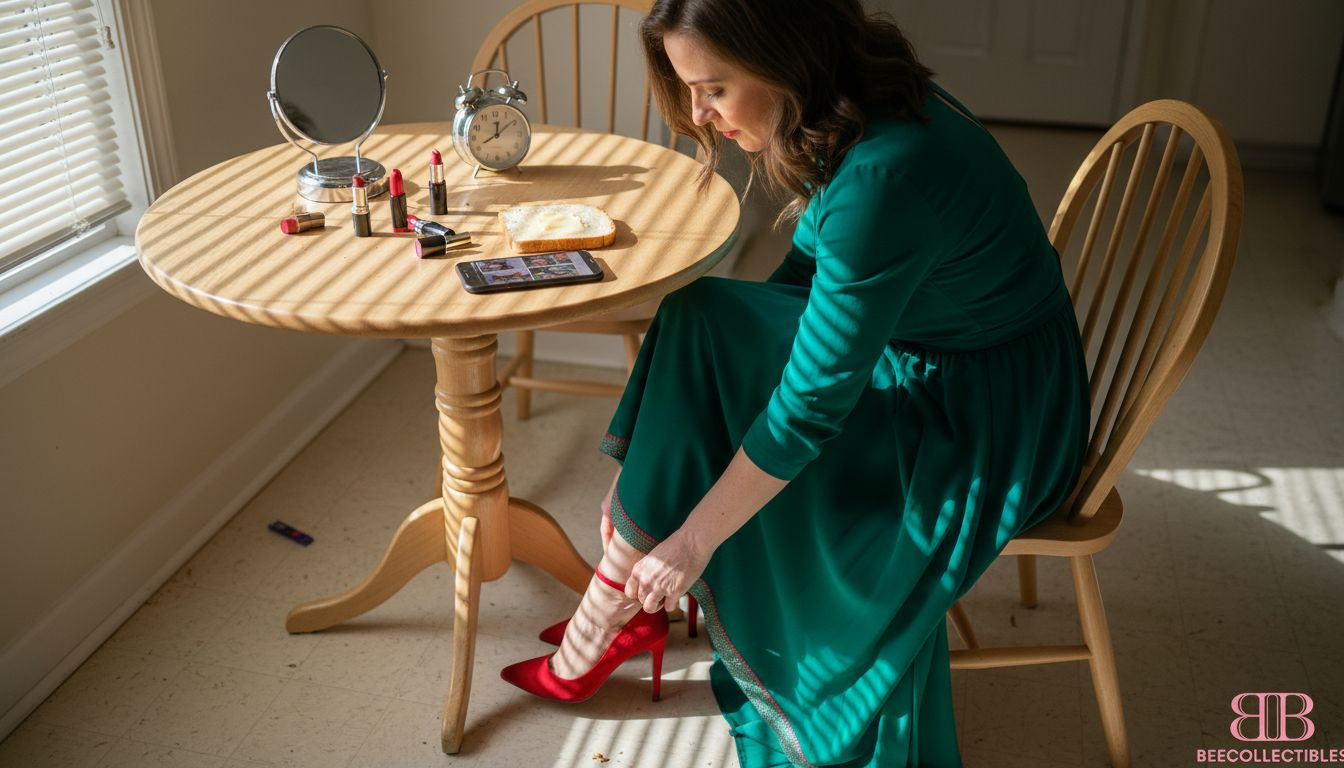
Saturation and value matter equally. A muted mauve reads differently than a vivid fuchsia, even though they’re both in the pink family. Saturation controls intensity; value controls lightness. At a black-tie event, deep, saturated colors convey formality. At a daytime brunch, lighter, more desaturated tones feel appropriate.
Use this summary to understand how color attributes affect perception:
| Attribute | High Impact Example | Low Impact Example | Result on Style |
|---|---|---|---|
| Saturation | Vivid fuchsia dress | Muted mauve dress | Energetic vs. subtle impression |
| Contrast | Black on light skin | Ivory on light skin | Dramatic vs. soft effect |
| Coordination | Navy with emerald | Navy with navy | Balanced vs. flat appearance |
Strategic color choices amplify confidence because they’re based on design principles, not just personal preference.
Contrast deserves special attention. High contrast between your skin tone and your clothing creates visual drama. Low contrast creates elegance and softness. Neither is better; they serve different occasions and personal goals.
Temperature—whether colors feel warm or cool—influences mood and how colors interact. Warm-toned skin often glows against warm colors. Cool-toned skin radiates with cool hues. But here’s the reality: these aren’t strict rules. Your personal coloring, the lighting at the venue, and your confidence matter more than rigid guidelines.
Pro tip: When combining colors, pull images of outfits you love and identify which harmony principle they use—you’ll train your eye to recognize what works and build your instinctive color confidence.
How Colors Influence Style and Perception
The moment someone sees you, their brain makes instant judgments about your competence, approachability, and style level. Color is doing most of that heavy lifting, often before conscious thought kicks in.
Color shapes how others perceive you and how you perceive yourself. When you wear a color that feels right, your posture shifts, your confidence rises. When you wear something that clashes with your skin tone, you feel slightly off all day. That’s not imagination. How color influences social identity and perception is rooted in psychology and how our brains process visual information.
Think about specific scenarios you’ve experienced:
- Wearing black at a formal event and feeling immediately more authoritative
- Choosing a jewel tone and noticing more compliments throughout the day
- Putting on a color that clashes with your complexion and feeling visibly tired
- Selecting something in your best shade and walking into a room with different energy
This isn’t coincidence. Your color choice affects your internal state, which naturally affects how others respond to you. Confidence is visible, and color amplifies it or diminishes it.
Here’s where it gets interesting: moderately matched color combinations are perceived as most fashionable. Not overly coordinated. Not clashing. Right in the middle. This means you don’t need perfection; you need intentionality.
A navy dress with emerald accessories feels balanced. Black with burgundy reads sophisticated. Soft pink with blush creates harmony. These aren’t accidents; they’re strategic choices that signal style awareness to anyone looking at you.
Color communicates before words do—making it fashion’s most immediate form of self-expression.
Your skin tone, hair color, and eye color create a personal color ecosystem. Some colors make you glow from within. Others create a matte, one-dimensional effect. At events where you want to stand out—whether positively or subtly—this distinction matters enormously.
The perception game has another layer: cultural meaning. Red signals power and passion in many Western contexts. White suggests purity or formality. Yellow conveys optimism. These associations shift based on culture, occasion, and context, so reading the room always matters.
For events specifically, your color choice announces whether you understood the assignment. Wearing navy to a beach wedding suggests you missed something. Wearing nude to a black-tie gala looks incomplete. Strategic color choices show you’ve thought about the occasion and respect for those attending.
Pro tip: Before any event, photograph yourself in your outfit under the actual lighting where you’ll wear it—phone cameras reveal how colors truly appear versus how they feel in your closet.
Using Color to Stand Out at Events
Standing out doesn’t mean wearing the loudest color in the room. It means wearing the right color strategically so people notice you for the right reasons. There’s a science to this, and it starts with understanding your goal.
Are you trying to blend in gracefully or command attention? That determines everything. A subtle dusty rose blends beautifully at a formal dinner. A vibrant coral commands attention at a summer garden party. Neither is wrong; they’re just different strategies.
Strategic color use creates emotional connections between you and everyone around you. When you wear a color that resonates emotionally, people respond differently. They lean in slightly. They compliment you. They remember you.
Here’s how to choose colors that make you stand out:
- Know your undertone: Warm, cool, or neutral undertones determine which colors harmonize with your natural coloring
- Consider contrast: High contrast between your coloring and outfit creates visual impact instantly
- Match the energy: Saturated, bold colors for high-energy events; muted tones for intimate gatherings
- Test in actual lighting: Venue lighting completely changes how colors appear on your skin
- Build from basics: Start with a neutral base, then add one standout color strategically
Applying color psychology in fashion means choosing shades and tones that convey the message you want. A rich burgundy whispers sophistication. A bright fuchsia declares confidence. A soft lavender suggests grace.
For weddings specifically, color strategy matters enormously. A jewel-toned guest stands out positively while respecting the bride. Metallics catch light and draw attention without being loud. Jewel tones paired with gold accessories create an elevated look that photographs beautifully.
The right color doesn’t just make you look good—it makes you feel powerful, and that confidence is contagious.
Timing matters too. Arriving in a standout color when most guests wear predictable shades? You’re immediately memorable. Wearing something genuinely you rather than trendy creates presence that lingers in people’s minds.
One final consideration: don’t chase standing out at the expense of feeling comfortable in your skin. The most magnetic people wear colors that make them feel like themselves, amplified. When you feel good, everyone around you feels your energy.
Pro tip: Wear your standout color in accessories first—shoes, clutch, or jewelry—to test how it feels and photographs before committing to an entire statement piece.
Common Color Mistakes and How to Avoid Them
Most color mistakes fall into two extremes: everything matches perfectly, or nothing coordinates at all. Both kill your style in different ways. The sweet spot? Intentional balance that reads as thoughtful, not accidental.
The matchy-matchy trap is real. Wearing a navy dress with navy shoes and navy accessories feels safe, but it reads flat and one-dimensional. You disappear into your outfit instead of standing out. Moderately matched color combinations are perceived as most fashionable—meaning some coordination, but with breathing room for personality.
On the flip side, totally clashing colors make you look confused. Wearing a warm gold dress with cool silver accessories, then adding a burgundy clutch creates visual chaos. Your eye doesn’t know where to land, and neither does anyone else’s.
Here are the mistakes to watch for:
- Ignoring your undertone: Mixing warm and cool tones creates an off-kilter appearance that feels instinctively wrong
- Forgetting the venue: Wearing fire-engine red to a subdued gallery opening signals tone-deafness
- Clashing with your skin tone: Choosing colors that wash you out makes you look tired and disconnected from your outfit
- Going too matchy: Identical colors everywhere create a costume effect rather than style
- Overlooking saturation: Pairing a muted mauve with a vibrant fuchsia creates visual discord
Understanding color harmony and contrast prevents unintended negative effects. Cultural meaning matters too. Wearing all black to a beach wedding might feel like mourning rather than formality. Wearing white to a non-Western wedding could carry unintended significance.
Context is everything. A bold mustard works beautifully at a professional networking event but might overshadow a bride at her wedding. The same color serves different purposes depending on where you wear it.
Balance between coordination and contrast—this is where style happens.
Testing your color choices before the event prevents regret. Wear your outfit in the actual venue lighting if possible, or photograph it under similar light conditions. Phone cameras reveal color relationships you might miss in your closet’s lighting.
One final mistake: prioritizing trends over what actually works for you. A color is only “in” if it makes you glow. Forcing yourself into a trending hue that clashes with your complexion looks dated instantly, no matter how current the shade supposedly is.
Pro tip: Start with a neutral base, add one bold color strategically, then fill in with accessories that bridge both—this method prevents both matchy pitfalls and chaotic clashing.
Discover Your Perfect Event Colors with Bee Collectibles
Struggling to find the right color that matches your skin tone and fits the occasion can leave you feeling less confident and out of place. This article highlights the importance of strategic color choices using concepts like color harmony, contrast, and saturation to transform your event style and boost your presence. At Bee Collectibles, we understand how vital it is to wear colors that communicate your identity and emotion while respecting the event’s context.
Explore our carefully curated collection of womens fashion designed to help you build outfits that align with your personal color ecosystem. Whether you need elegant jewel tones for a black-tie gala or soft pastels for an outdoor event, you will find styles that empower your confidence and elevate your look. Start enhancing your wardrobe today by visiting Bee Collectibles and embrace the power of color in fashion with pieces that fit your unique style and occasion.
Frequently Asked Questions
What role does color play in fashion for events?
Color acts as a communication tool in fashion, influencing how others perceive you and how you feel. It can convey emotions, set the mood, and dictate appropriateness depending on the event type.
How can I choose the right colors for a specific event?
Consider the event type, your skin tone, and the cultural significance of colors. Use the color table provided in the article as a guide to align your choices with the event’s tone and setting.
What are some common color mistakes to avoid when dressing for an event?
Common pitfalls include ignoring your skin tone, being too matchy-matchy, selecting clashing colors, and overlooking venue appropriateness. Aim for a balance between coordination and contrast to enhance your style.
How does my skin tone affect my color choices in fashion?
Certain colors can either enhance your complexion or wash you out. Choosing hues that complement your skin tone is crucial for looking radiant and feeling confident at events.