


 Day Dresses
 Midi Dresses
 Maxi Dress
 Cocktail Dresses
 Party Dresses
 Occasion
 Wedding Guest
 Church & Special Events
 Co-Ord Sets
 Evening Dresses
 Embellished
 Rhinestone & Crystal
 Sequins
 Lace
Lace Satin
Satin Velvet
 Statement Sleeves
 Structured
 Black Tie
 Formal
 Designer
 Couture-Inspired
 Crystal & Hand-Embellished
 Exclusive Pieces
 Birthday
 Race Day
 Graduation
 A-Line
 Bodycon
 Wrap
Wrap

 Occasion Jumpsuits
 Evening Jumpsuits
 Trouser Sets
 Blazer Sets
 Skirt Sets
 Earrings
 Bracelets
 Bags
Bags Cluctches
Why Fashion Matters for Modern Women Today

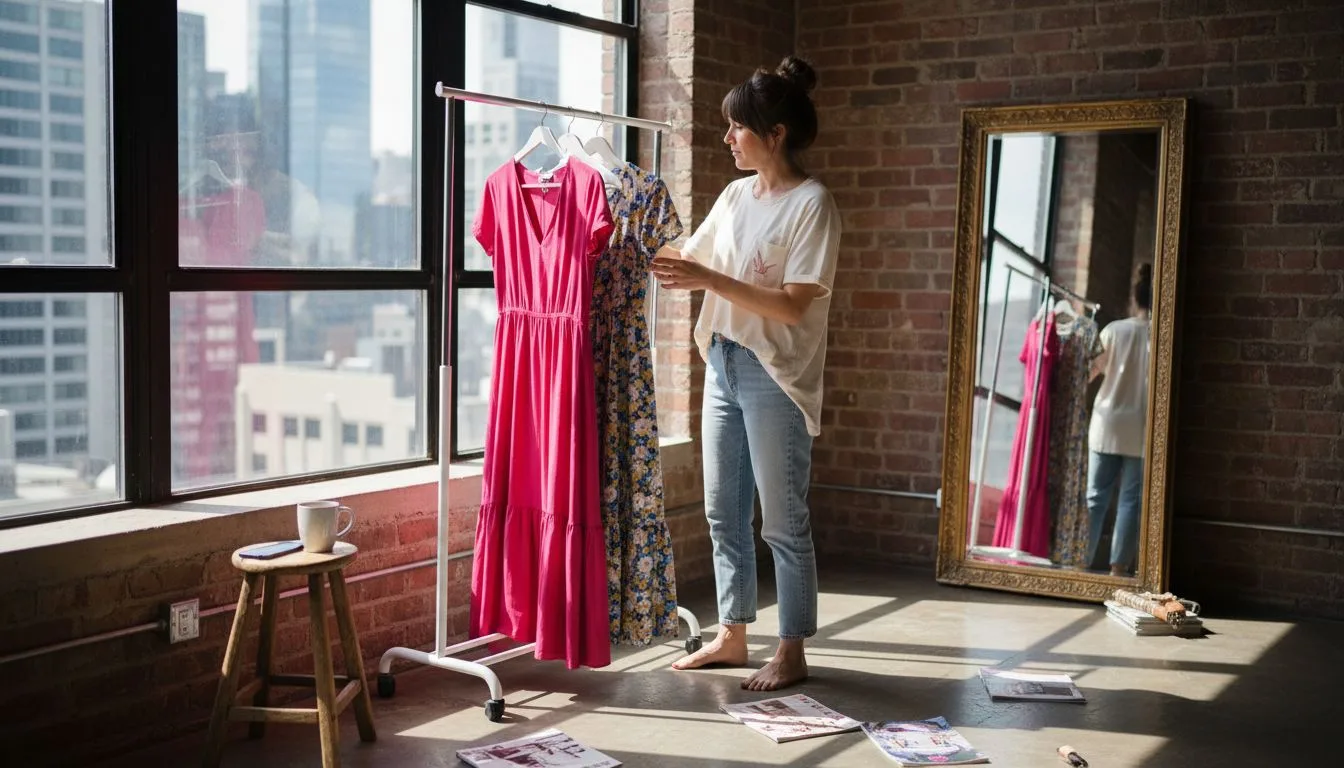
A room full of wedding guests in stunning attire always sets the mood, but finding that perfect outfit is about more than catching compliments. For many women across the United Kingdom and Ireland, choosing what to wear is a bold statement of self, reflecting personal values, culture, and belonging. Fashion acts as both an emotional anchor and a way to express identity—what you select for a special occasion helps you feel confident while staying current with today’s most creative trends.
Table of Contents
- Fashion’s Role In Personal Identity
- Emotional Power Of Clothing Choices
- Trends Shaping Stylish Wedding Attire
- Fashion As Self-Expression And Belonging
- Avoiding Common Fashion Pitfalls
Key Takeaways
| Point | Details |
|---|---|
| Fashion as Self-Expression | Clothing choices communicate individuality and personal values, shaping identity through style. |
| Emotional Impact of Fashion | Wearing outfits that align with self-concept can elevate mood and boost confidence, enhancing emotional well-being. |
| Evolving Style | Personal fashion should adapt and grow with you, reflecting changes in identity and lifestyle over time. |
| Avoiding Fashion Mistakes | Focus on fit, timeless pieces, and versatile outfits to cultivate a wardrobe that serves your real lifestyle and avoids clutter. |
Fashion’s Role in Personal Identity
Your clothes aren’t just fabric. They’re a language you speak every single day.
When you choose what to wear, you’re making a statement about who you are. Whether it’s a sharp blazer that makes you feel powerful or a vintage band tee that connects you to your values, fashion encodes messages about your identity. Research on fashion’s role in identity formation shows how clothing shapes how you see yourself and how others perceive you.
Fashion does three critical things for your personal identity:
- Expresses your individuality – Your style choices tell the world what matters to you
- Signals group belonging – Certain looks connect you to communities and subcultures
- Challenges social norms – Fashion lets you push boundaries and redefine expectations
Think about the wedding guest outfit you wore last month. Did you pick something safe and traditional, or did you choose pieces that felt authentically “you”? That decision wasn’t random. It reflected how you wanted to be seen in that moment.
Fashion is a powerful tool for self-expression because it’s visible, personal, and changeable.
For women aged 25-35, this matters even more. You’re likely navigating professional environments, social events, and personal milestones where appearance carries real weight. A sleek dress communicates confidence in the boardroom. Playful patterns express creativity at a celebration. Everything you wear is part of your identity narrative.
The relationship between fashion and identity isn’t superficial. It’s how you claim space in the world. When you wear something that feels aligned with your values and personality, you stand differently. You speak with more conviction. You occupy rooms with intention.
Your style choices also reflect your cultural background, your values, and your place in society. Some women use fashion to honor their heritage. Others use it to signal professional ambition. Many use it to do both simultaneously.
What makes this personal is that your fashion identity evolves. The styles you loved at 25 might feel different at 30. That’s not failure. That’s growth. Your clothes should grow with you.
Here’s a quick comparison of how clothing affects both self-identity and emotional well-being:
| Impact Area | Self-Identity Influence | Emotional Influence |
|---|---|---|
| Confidence | Reinforces individuality | Boosts self-assurance |
| Social Connection | Shows group affiliation | Promotes feelings of belonging |
| Mood & Wellness | Reflects personal growth | Regulates anxiety and stress |
| Cultural Expression | Honors heritage and values | Increases authenticity |
Pro tip: Next time you’re getting dressed for an important event, pause and ask yourself: does this outfit reflect who I am right now? If the answer is no, you’ll feel it—and everyone else will too.
Emotional Power of Clothing Choices
What you wear directly affects how you feel. This isn’t imagination. It’s psychology.
When you slip on a dress that fits perfectly, your mood shifts. Your shoulders relax. You breathe easier. Clothing’s psychological impact on self-esteem and mood is real and measurable. Your clothes become a tool for emotional regulation.
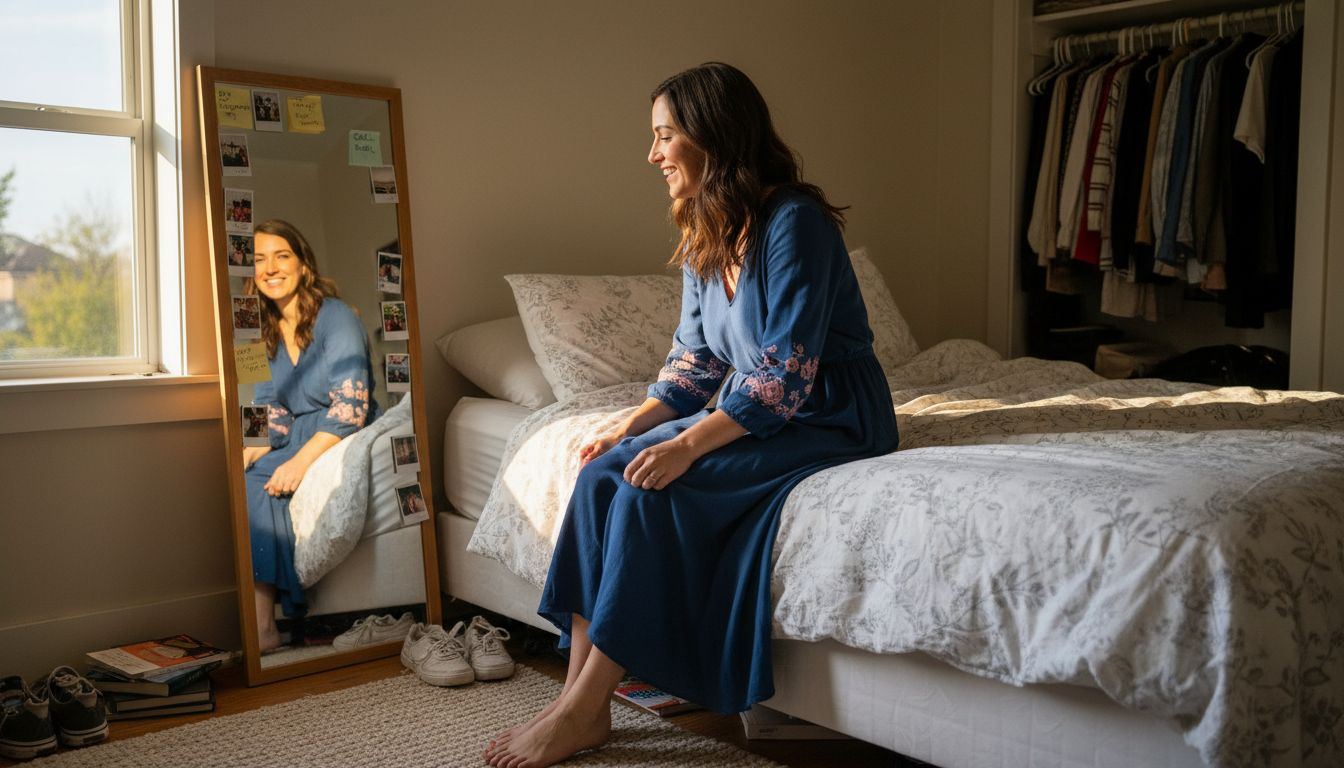
For women navigating weddings, job interviews, and social events, this matters intensely. A carefully chosen outfit can transform anxiety into confidence. The right pieces make you feel like the best version of yourself.
Here’s what happens when you wear something aligned with your self-concept:
- Mood elevation – Colors and fabrics trigger positive emotional responses
- Confidence boost – Fitting clothes reinforce your sense of capability
- Social belonging – Style choices signal connection to communities you value
- Stress reduction – Feeling put-together calms anxiety before important moments
Think about the last time you felt genuinely confident. What were you wearing? Most likely, it was something that felt authentically you. Research shows that personal style choices reflect emotional well-being and self-esteem more than we realize.
Your outfit is a conversation between your inner self and the world. Choose it consciously.
But here’s the reality: fashion can also trigger anxiety. Comparison, body image concerns, and pressure to look a certain way can undermine the emotional benefits. The key is using fashion intentionally, not letting it use you.
When you’re selecting wedding guest attire or any important outfit, pause and ask yourself what emotion you want to feel. Do you want to feel bold? Choose structured fabrics and deeper colors. Want to feel approachable? Softer textures and lighter tones help. This intentional approach turns clothing into emotional armor.
Your clothing choices also signal self-respect. When you invest in pieces that make you feel good, you’re telling yourself you’re worth that care. That message reverberates through everything you do.
Pro tip: Before any significant event, try on your outfit and notice how it makes you feel emotionally. If anxiety rises instead of confidence, swap it out. Your gut reaction is your best guide.
Trends Shaping Stylish Wedding Attire
Wedding guest fashion evolves every season. What worked last year might feel dated now.
Right now, the trends favoring modern wedding attire reflect a shift toward individuality and sustainability. Gone are the days of rigid dress codes forcing everyone into the same mold. Today’s wedding guest looks balance personal style with occasion respect.
Here are the defining trends shaping what women wear to weddings:
- Oversized silhouettes – Relaxed, flowing fabrics replace rigid tailoring for comfort without sacrificing elegance
- Rich jewel tones – Emerald, sapphire, and burgundy dominate over predictable pastels
- Unexpected textures – Velvet, silk charmeuse, and structured cotton create visual interest
- Midi lengths – The sweet spot between formal and accessible, practical yet sophisticated
- Bold accessories – Statement jewelry and designer bags elevate simple pieces into complete looks
The wedding guest dress code has loosened considerably. Women in your demographic no longer feel trapped by expectations. You can wear pants to a wedding. You can choose bold colors. You can express yourself while respecting the occasion.
Modern wedding attire celebrates who you are, not who tradition says you should be.
Sustainability influences these trends too. More women are choosing quality pieces they’ll wear multiple times rather than single-occasion throwaway outfits. Investment pieces in neutral bases work harder across different events. This approach aligns perfectly with current fashion values.
Personalization matters more than ever. Spring fashion for wedding guest events shows how seasonal trends adapt to your personal aesthetic. The goal isn’t to follow trends blindly but to use them as inspiration for expressing your unique style.
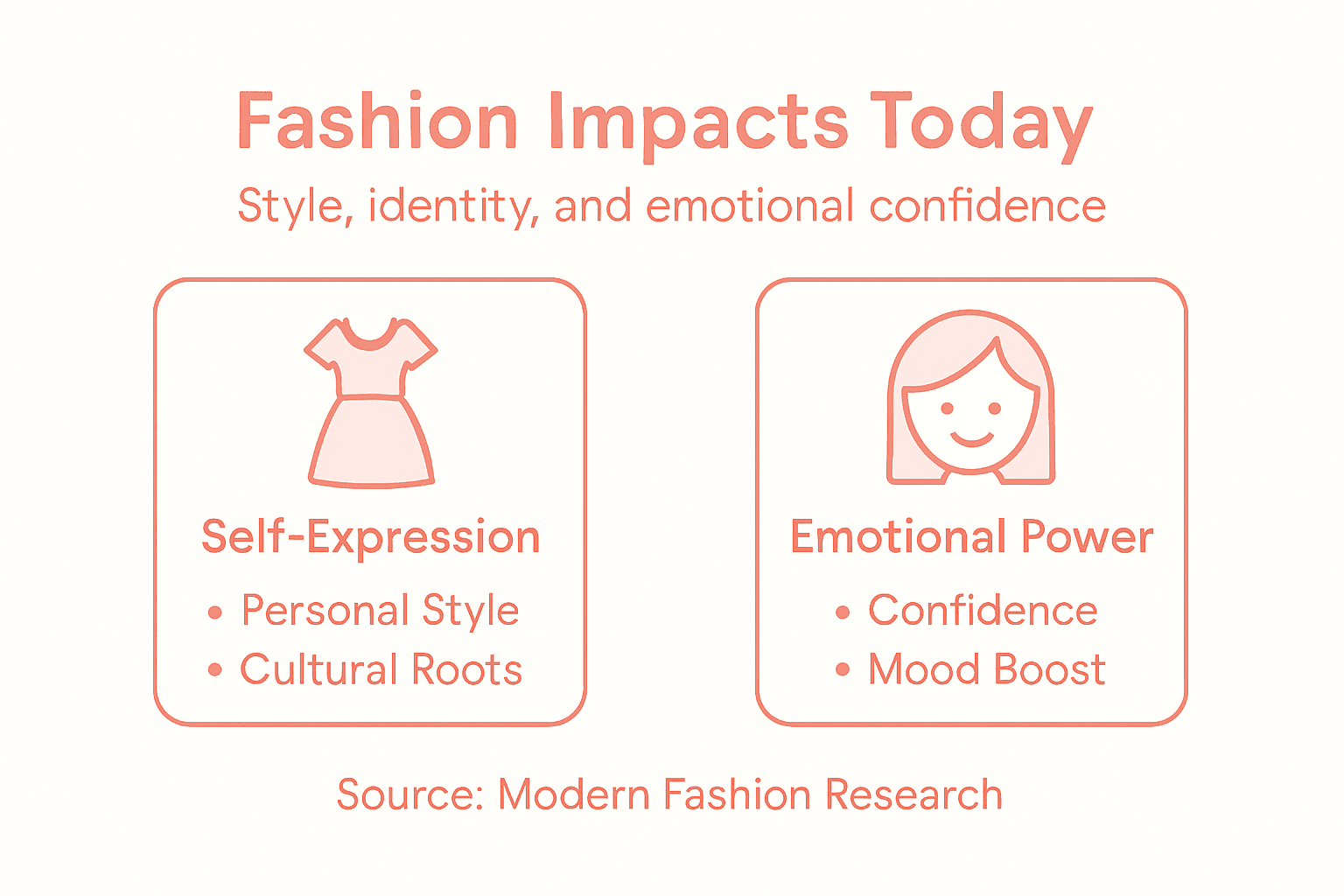
Color psychology plays a role too. Wearing colors that complement your skin tone and energize your mood creates authenticity. A burgundy dress might make you feel sophisticated. Emerald might spark confidence. The trend becomes irrelevant if the color doesn’t serve you.
Brand collaborations and designer accessibility mean stylish wedding guest looks are no longer exclusive to luxury budgets. Quality fabrics and thoughtful construction appear at every price point.
Here’s a summary of distinct wedding guest fashion trends for this season:
| Trend | Description | Best Occasion Fit |
|---|---|---|
| Oversized Silhouettes | Relaxed, flowing cuts | Outdoor or semiformal |
| Rich Jewel Tones | Emerald, burgundy | Evening celebrations |
| Unexpected Textures | Velvet & silk fabrics | Formal indoor events |
| Midi Lengths | Mid-calf hemlines | Versatile, all settings |
| Bold Accessories | Statement jewelry | Personalize any outfit |
Pro tip: Before committing to a trendy piece, ask yourself if you’ll wear it to other occasions too. Trends fade, but versatile pieces remain in rotation indefinitely.
Fashion as Self-Expression and Belonging
Fashion sits at an intersection. It’s simultaneously about expressing your authentic self and belonging to communities that matter to you.
This balance shapes every outfit choice. You want to stand out, but not too much. You want to fit in, but on your own terms. Fashion’s role in communicating personal identity while fostering group affiliation reveals how nuanced this relationship actually is.
When you select wedding guest attire, you’re navigating both dimensions simultaneously. You choose a color that reflects your personality. You pick a silhouette that aligns with your body and values. Yet you also consider what signals respect for the occasion and connection to the celebration happening around you.
Here’s how fashion operates as both personal expression and social belonging:
- Individual differentiation – Your style choices communicate what makes you unique
- Group affiliation – Certain aesthetics signal connection to communities you identify with
- Cultural identity – Fashion encodes your heritage, values, and worldview
- Social acceptance – You signal respect for occasion-specific expectations while maintaining authenticity
Think about subcultures. A woman wearing vintage band tees isn’t just expressing nostalgia. She’s signaling membership in a community of music lovers and alternative thinkers. Her fashion choice creates belonging.
Your wardrobe is a negotiation between who you are and who you want to belong with.
Global influences complicate this beautifully. Fashion enables individuals to express cultural identity while engaging with global trends. A British-Pakistani woman might wear Western tailoring with South Asian embroidery. She’s expressing both identities simultaneously. Her outfit becomes a statement of cultural pride and contemporary belonging.
For women in their mid-20s to mid-30s, this tension feels especially acute. You’re old enough to have developed strong style preferences. You’re young enough to care about fitting into professional and social circles. Fashion becomes the tool through which you negotiate both.
The key is intentionality. You’re not choosing between self-expression and belonging. You’re choosing how to express yourself within communities that matter to you. That’s the power of fashion.
Pro tip: When building your wardrobe, invest in pieces that reflect your genuine aesthetic while offering versatility across different social contexts. Your personal style should feel effortless across multiple environments where you belong.
Avoiding Common Fashion Pitfalls
Even thoughtful fashion choices can derail when you fall into predictable traps.
Most women repeat the same mistakes repeatedly. You buy pieces that don’t fit your lifestyle. You chase trends that clash with your aesthetic. You ignore the basics that would elevate everything else. Recognizing these patterns helps you break them.
Here are the most common fashion mistakes women make:
- Ignoring fit over trends – A trendy piece that doesn’t fit your body wastes money and confidence
- Buying single-occasion items – Pieces you wear once create clutter and regret
- Neglecting foundational basics – Without quality basics, nothing else works cohesively
- Chasing every trend – Trends shift too fast to base your entire wardrobe on them
- Avoiding your actual style – Buying what Instagram shows instead of what feels authentically you
- Underestimating accessories – Poor jewelry or bags undermine even great outfits
The fit pitfall deserves special attention. A beautiful emerald dress means nothing if the waist gaps or the sleeves swallow your arms. Tips for choosing women’s clothes that actually fit your body shape prevents wasted spending and disappointment.
Fashion pitfalls aren’t about having bad taste. They’re about ignoring your actual lifestyle and body.
Wedding guest dressing amplifies these mistakes. Women buy expensive dresses they’ll never wear again. They chase trends instead of choosing timeless silhouettes. They ignore their body shape in pursuit of what looks good on hangers.
The single-occasion trap particularly hurts your budget. That stunning wedding guest dress costs $200. You wear it once. It sits in your closet taking up space. A smarter approach invests in pieces that work across multiple events and seasons.
Another pitfall: comparing yourself to others at events. You see what someone else is wearing and feel inadequate. But you have no idea what that outfit cost, how many times they’ve worn it, or whether they feel comfortable in it.
Avoid comparison. Focus on whether your outfit serves you. Does it fit your body? Does it reflect your style? Does it work for multiple occasions? Does it make you feel confident? If you can answer yes to all four, you’ve made a smart choice.
Finally, many women neglect to invest in quality basics. A well-fitted white button-down, neutral trousers, and a structured blazer elevate everything. These foundational pieces work harder than any trend piece ever will.
Pro tip: Before buying anything new, ask yourself: will I wear this to at least three different occasions within the next year? If the answer is no, pass. Your wardrobe should work for your actual life, not an imagined one.
Discover Your Authentic Style and Elevate Your Confidence Today
Fashion is more than just clothing it is a powerful tool for expressing your individuality and building emotional confidence. If you struggle to find outfits that truly reflect who you are or want to avoid common fashion pitfalls like chasing fleeting trends or ill-fitting pieces we can help. Our carefully curated collection blends modern styles with timeless elegance so you can feel empowered and connected at every event.
Explore the latest trends and foundational wardrobe essentials in our Fashion Archives – Beecollectibles and find perfect pieces that support your unique identity in our Dresses Archives – Beecollectibles. Start embracing intentional style that grows with you now by visiting Beecollectibles and unlocking your confident new look.
Frequently Asked Questions
How does fashion influence personal identity?
Fashion acts as a language through which individuals express their individuality, signal group belonging, and challenge social norms. What you wear communicates messages about who you are and how you want to be perceived by the world.
Why is emotional well-being connected to clothing choices?
Clothing influences mood and self-esteem. Wearing outfits that fit well and reflect your personal style can elevate confidence, reduce anxiety, and enhance feelings of belonging, making fashion a powerful tool for emotional regulation.
What current trends are shaping women’s wedding guest attire?
Current trends include oversized silhouettes for comfort, rich jewel tones for sophistication, unexpected textures like velvet, midi lengths for versatility, and bold accessories to personalize outfits while respecting the occasion.
What are common fashion mistakes women make?
Common pitfalls include ignoring fit in favor of trends, buying single-occasion items, neglecting foundational basics, chasing every trend, and underestimating the importance of accessories. Recognizing these patterns helps women make smarter fashion choices.
Dresses