


 Dresses
 Trousers
 Evening Dresses
 Special Occasion Outfits
 Midi Dresses
 Earrings
 Hats
HatsFashion Weeks Influence: 70% Consumers Engage Trends

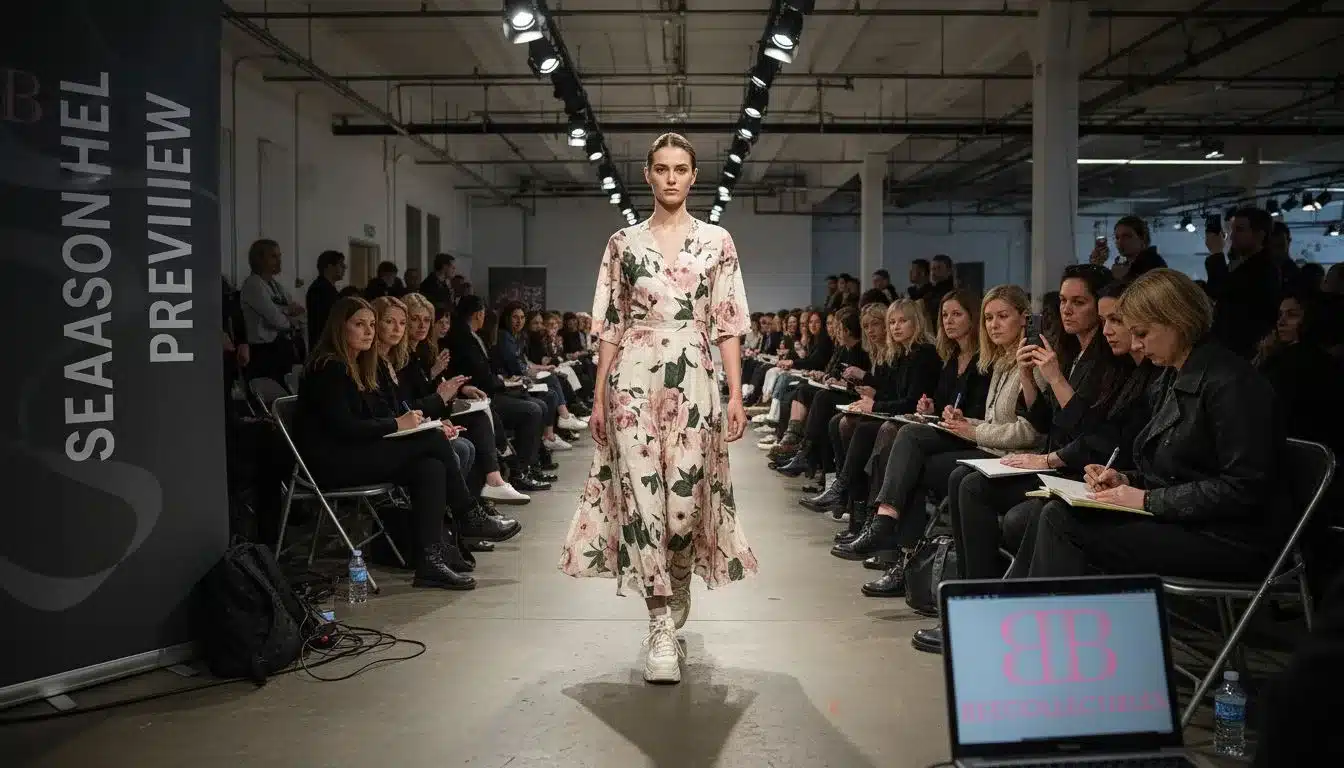
You might think fashion weeks are just glamorous parties for celebrities and insiders. In reality, they’re powerful trend engines that shape what you’ll wear six months from now. Fashion weeks set global style directions, influence industry decisions, and ultimately affect your wardrobe choices whether you realize it or not.
Table of Contents
- What Are Fashion Weeks and Their Purpose?
- Historical Evolution and Significance of Fashion Weeks
- How Fashion Weeks Influence Trends and Consumer Choices
- Comparison of Major Fashion Weeks and Their Unique Styles
- The Digital Transformation and Challenges Facing Fashion Weeks
- Common Misconceptions About Fashion Weeks
- Bringing Fashion Week Insights to Personal Style
- Explore Fashion-Inspired Styles at Beecollectibles
- Frequently Asked Questions About Fashion Weeks
Key Takeaways
| Point | Details |
|---|---|
| Biannual Schedule | Fashion weeks occur twice yearly in major cities, presenting collections that dictate upcoming seasonal trends. |
| Regional Styles | Paris, Milan, New York, and London each offer distinct design philosophies from haute couture to commercial sportswear. |
| Delayed Availability | Runway trends require 4-6 months before influencing retail stores and consumer wardrobes. |
| Sustainability Focus | Over 40% of designers now showcase sustainable materials in their fashion week collections. |
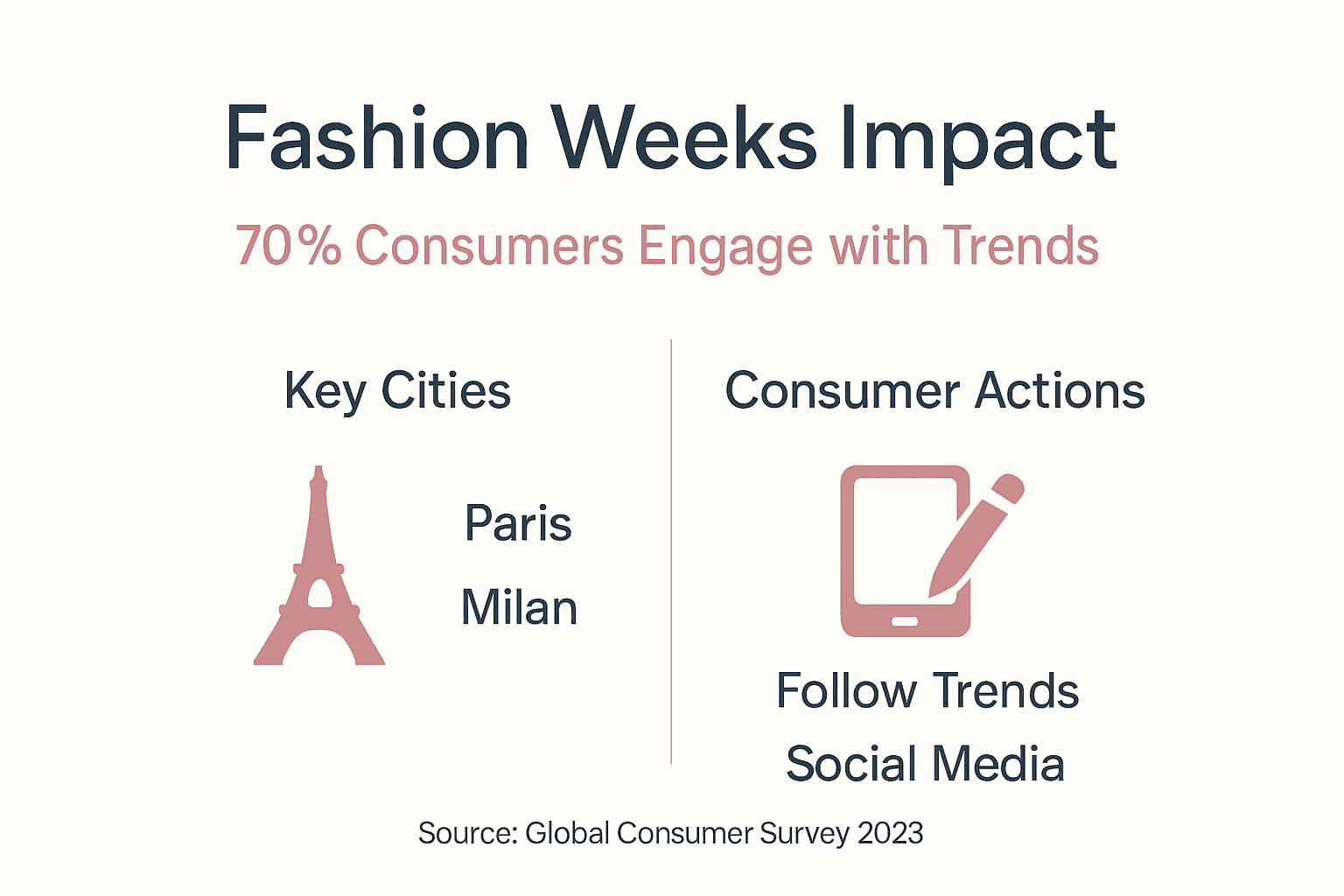
| Digital Amplification | More than 70% of consumers engage with runway content through social media platforms globally. |
What Are Fashion Weeks and Their Purpose?
Fashion weeks are biannual global events where designers showcase upcoming seasonal collections, directly influencing autumn/winter and spring/summer trends. These events happen twice each year in key cities including New York, Paris, Milan, and London. Understanding this cycle helps you anticipate style shifts before they hit mainstream retail.
The primary purpose is presenting collections for future fashion seasons. Designers reveal their vision months before consumers see products in stores. This advance timeline allows retailers, buyers, and media to absorb trends and translate them for broader markets.
Fashion weeks serve as trend launchpads that ripple through the entire industry. When major designers emphasize a particular silhouette or color palette, retailers take notice. You’ll see those influences reflected in store collections the following season. Understanding how the role of color in fashion evolves through these cycles helps you stay ahead of trends.
Key functions of fashion weeks include:
- Showcasing designer creativity and seasonal visions to industry professionals
- Establishing trend directions that influence retail buyers and manufacturers
- Providing media and influencers content that shapes consumer awareness
- Creating networking opportunities that drive business partnerships
- Launching emerging designers into broader market visibility
The seasonal cycle means spring/summer collections shown in September/October appear in stores the following February through May. Fall/winter collections presented in February/March hit retail from August through November. This predictable timeline helps savvy shoppers plan purchases strategically.
Historical Evolution and Significance of Fashion Weeks
The concept of fashion week began in New York in 1943 to counter European fashion dominance, evolving into key global events shaping consumer trends and cultural commentary. Eleanor Lambert organized the first Press Week to showcase American designers during World War II when buyers couldn’t travel to Paris. This bold move established New York as a fashion capital.
The model proved so successful that other cities adopted similar formats. Paris fashion week formalized in the 1970s, building on its centuries-old haute couture tradition. Milan and London followed, each developing distinct identities that reflected regional design philosophies and manufacturing strengths.
Today’s fashion weeks carry enormous cultural weight beyond clothing. They serve as platforms for social commentary, artistic expression, and cultural identity. Designers use runway shows to address sustainability, diversity, political issues, and technological innovation. The importance of fashion weeks extends to shaping societal conversations about values and representation.
The evolution follows this progression:
- Initial establishment in New York (1943) to promote American fashion independence
- Paris formalizing its fashion week structure leveraging historic couture prestige
- Milan emerging as a luxury and craftsmanship center in the 1970s-1980s
- London developing a reputation for avant-garde and emerging designer innovation
- Digital transformation expanding global reach beyond physical attendees
- Increasing focus on sustainability and inclusivity as core values
Fashion weeks transformed from trade-only events into cultural phenomena covered globally. What started as industry gatherings now influence millions of consumers worldwide. You don’t need front-row seats to feel their impact on your wardrobe.
How Fashion Weeks Influence Trends and Consumer Choices
Runways showcase new textiles, silhouettes, and themes that influence what you’ll find in stores months later. Designers establish directions for color palettes, proportions, and styling approaches. Retailers and buyers attending these shows place orders based on runway trends, determining what products reach consumers.
More than 40% of designers feature sustainable materials in collections presented at recent fashion weeks. This growing emphasis reflects consumer demand for responsible fashion choices. When major designers prioritize sustainability, it signals the entire industry to follow. You benefit from increased availability of eco-friendly options in mainstream retail.
Inclusivity has also become central to fashion week presentations. Diverse model casting, adaptive designs, and size-inclusive collections increasingly appear on runways. These shifts directly affect consumer expectations and available choices. Understanding how consumer influence of fashion weeks shapes retail offerings helps you recognize your power as a buyer.
Key influence mechanisms include:
- Establishing seasonal color stories that retailers adopt across product lines
- Introducing silhouette innovations that manufacturers adapt for mass production
- Highlighting fabric technologies that become available at various price points
- Setting styling conventions that influence editorial content and advertising
- Creating cultural conversations that shape consumer values and priorities
Pro tip: Follow a few designers whose aesthetic matches your style. Notice their runway themes each season, then watch for those elements in accessible retail collections four to six months later. This helps you identify quality trend pieces worth investing in.
Media coverage amplifies runway trends to millions. Fashion journalists, bloggers, and influencers translate runway looks into practical styling advice. You absorb these influences through magazines, social platforms, and retail marketing even without directly following fashion weeks. The trickle-down effect means runway innovation eventually shapes options at every price point.
Comparison of Major Fashion Weeks and Their Unique Styles
Major fashion weeks differ in style focus: Paris is known for haute couture, Milan for luxury craftsmanship, New York for commercial sportswear, and London for avant-garde innovation. Each city’s fashion week reflects regional design traditions, manufacturing strengths, and cultural values. Understanding these distinctions helps you identify which trends align with your personal style preferences.
| Fashion Week | Style Focus | Key Characteristics | Global Influence |
|---|---|---|---|
| Paris | Haute Couture & Luxury | Artistic expression, traditional craftsmanship, established heritage brands | Sets luxury standards and aspirational trends |
| Milan | Craftsmanship & Elegance | Italian tailoring, luxurious fabrics, sophisticated glamour | Drives high-end ready-to-wear and accessories trends |
| New York | Commercial & Sportswear | Practical designs, American sportswear, diverse designers | Influences mainstream retail and accessible fashion |
| London | Avant-Garde & Innovation | Experimental designs, emerging talent, conceptual approaches | Pushes creative boundaries and youth culture trends |
Paris fashion week maintains its position as the pinnacle of luxury fashion. Historic houses like Chanel, Dior, and Louis Vuitton present collections that define aspirational style. The emphasis on artistry and heritage craftsmanship influences premium segments globally. You’ll see Paris trends reflected in luxury department stores and high-end boutiques.
Milan focuses on impeccable tailoring and sophisticated elegance. Italian brands emphasize quality materials and construction techniques. The influence shows in structured blazers, refined leather goods, and polished accessories that appear across price ranges. Milan’s aesthetic appeals to consumers seeking timeless investment pieces.
New York fashion week takes a more commercial approach. Designers balance creativity with wearability and market appeal. The sportswear tradition means comfortable, functional designs that work for diverse lifestyles. You’ll find New York influences most directly in accessible retail chains and contemporary brands.
London champions emerging designers and experimental concepts. The atmosphere encourages risk-taking and boundary-pushing creativity. While some London trends remain conceptual, others trickle into youth fashion and streetwear. Following London helps you spot cutting-edge directions before they go mainstream.
Exploring distinct fashion week styles helps you identify which city’s aesthetic resonates with your wardrobe. You might lean toward Milan’s polish, New York’s practicality, or London’s edge depending on your lifestyle and preferences.
The Digital Transformation and Challenges Facing Fashion Weeks
Social media democratizes access to fashion weeks beyond physical attendees. More than 70% of consumers engage runway content via social media, expanding fashion weeks’ influence exponentially. Instagram, TikTok, and YouTube deliver real-time runway coverage to millions globally. You can watch shows, read commentary, and absorb trends from anywhere.

This digital expansion accelerates trend dissemination significantly. What once took months to reach consumers through print magazines now spreads in hours. Influencers provide instant styling interpretations that make runway trends feel accessible. The speed benefits consumers who want to stay current but challenges designers protecting creative concepts.
Digital platforms also create opportunities for emerging designers. Smaller brands can gain exposure without massive marketing budgets through strategic social media presence. You discover more diverse design voices than ever before. Understanding digital transformation of fashion weeks helps you navigate the evolving landscape.
Key digital impacts include:
- Live streaming bringing runway shows to global audiences instantly
- Influencer partnerships translating high fashion into relatable content
- User-generated content amplifying trends through consumer participation
- Virtual fashion weeks expanding during global disruptions
- Direct-to-consumer sales allowing immediate trend purchases
Challenges accompany these opportunities. Fashion weeks struggle balancing exclusivity with accessibility. The events traditionally served industry professionals, but consumer interest demands broader engagement. Some brands question whether physical shows remain necessary when digital reach proves more effective.
Pro tip: Follow official fashion week accounts and a curated selection of fashion journalists on Instagram. This gives you quality runway coverage without overwhelming your feed. Look for accounts that provide context beyond pretty pictures, explaining why certain trends matter.
Sustainability concerns also pressure fashion weeks to evolve. The environmental cost of producing elaborate shows and flying attendees globally faces increasing scrutiny. Digital alternatives reduce carbon footprints but sacrifice the immersive experience that drives creativity and connection. The industry continues experimenting with hybrid models balancing impact and accessibility.
Common Misconceptions About Fashion Weeks
You might think runway looks appear in stores immediately after fashion weeks conclude. Many runway trends are conceptual and require 4-6 months before influencing retail fashion. Designers present future seasonal collections, not items you can buy next week. Understanding this timeline prevents frustration when searching for runway pieces.
Another common belief is that fashion weeks only matter for elite designers and wealthy consumers. In reality, trends established at fashion weeks trickle through the entire industry. Fast fashion retailers adapt runway concepts for mass markets within weeks. You feel fashion week influence regardless of where you shop or your budget.
Some assume social media has made physical fashion weeks obsolete. While digital platforms expand reach, they don’t replace the trend-setting function of curated runway presentations. Designers still use these events to establish seasonal narratives that guide industry decisions. The fashion week misconceptions people hold often underestimate the complex ecosystem these events support.
Common myths include:
- Runway pieces are meant for everyday wear when many are artistic expressions inspiring wearable adaptations
- Only attendees benefit from fashion weeks when media coverage and retail influence reach all consumers
- Fashion weeks exclusively serve luxury brands when emerging designers and commercial labels participate extensively
- Digital content eliminates the need for physical shows when in-person experiences drive deeper industry relationships
- Trends shown are immediately available when production and distribution timelines require months
The misconception that fashion weeks are irrelevant to average consumers particularly misses the mark. Every color trend, silhouette shift, and styling approach you encounter in stores traces back to decisions made during fashion weeks. Buyers attending these events select merchandise for chains you shop regularly. Editorial teams create content that shapes your perception of what’s current.
Understanding the true ecosystem helps you leverage fashion week knowledge effectively. You can anticipate upcoming trends, make smarter purchasing decisions, and appreciate the creative process behind clothing options. Fashion weeks influence your wardrobe whether you pay attention or not, but awareness gives you an advantage.
Bringing Fashion Week Insights to Personal Style
Identifying wearable elements from runway trends helps you stay current without looking costume-like. Runway shows often present exaggerated proportions or dramatic styling to make statements. Your task is extracting adaptable concepts like color combinations, fabric textures, or accessory approaches. Focus on elements that enhance your existing wardrobe rather than requiring complete overhauls.
Understanding seasonal timing helps you shop strategically. When you see spring/summer collections in February, know those trends hit stores around May. Planning purchases around this cycle means accessing trend pieces when selection is best and prices are regular. You avoid paying premium prices for items about to go on sale.
Incorporating values like sustainability and diversity that fashion weeks increasingly emphasize aligns your wardrobe with cultural shifts. Seek brands that reflect these priorities as major designers lead the charge. Your purchasing power supports companies moving fashion in positive directions. Exploring how personal style from fashion weeks connects to values makes fashion more meaningful.
Practical application steps:
- Follow fashion week coverage through a few trusted sources for curated highlights
- Identify two or three trends each season that complement your style and lifestyle
- Note the season and timing so you know when those trends reach retail
- Look for accessible interpretations at your preferred price points rather than exact runway pieces
- Balance trend adoption with your personal aesthetic to maintain authentic style
- Consider sustainability and ethical production when selecting trend pieces to purchase
Pro tip: Create a simple seasonal trend file on your phone. Screenshot runway looks featuring colors, silhouettes, or details you love. When shopping, reference this file to recognize quality trend pieces worth buying. This prevents impulse purchases of fleeting trends that don’t suit you.
Balancing trend awareness with personal taste prevents fashion victim syndrome. Not every trend suits every person or lifestyle. Use fashion week insights to refresh your look selectively rather than chasing every direction. Your most stylish choices combine current elements with timeless pieces that reflect your authentic preferences.
Remember that confidence makes any outfit work better than perfect trend adherence. Fashion weeks provide inspiration and options, but your personal style remains uniquely yours. Use trend knowledge to enhance rather than dictate your wardrobe choices.
Explore Fashion-Inspired Styles at Beecollectibles
Ready to translate runway inspiration into your everyday wardrobe? Discover how Irish fashion brands for women embody craftsmanship and creativity that echoes international fashion week values. Understanding why fashion matters for modern women connects your style choices to broader cultural conversations about identity and expression.
Our curated collections reflect current trends while maintaining timeless appeal. Whether you’re drawn to Milan’s polish, New York’s practicality, or London’s innovation, you’ll find pieces that elevate your personal style. Shop all clothing to explore runway-inspired options that work for real life, not just fashion week fantasies.
Frequently Asked Questions About Fashion Weeks
Are fashion week trends wearable for everyday style?
Most runway presentations include exaggerated elements for visual impact, but they inspire wearable adaptations. Focus on extracting practical concepts like color palettes, fabric choices, or accessory styles rather than copying entire looks. Retailers translate runway drama into accessible pieces that work for daily life.
How long after fashion weeks do trends reach stores?
Typically 4-6 months pass between runway presentations and retail availability. Spring/summer collections shown in September appear in stores the following February through May. Fall/winter collections presented in February hit retail from August through November. Fast fashion brands may produce inspired pieces faster, sometimes within weeks.
Do fashion weeks impact only elite designers or mainstream fashion?
Fashion weeks influence the entire industry from luxury to fast fashion. Buyers from mass-market retailers attend to identify trends for their customers. Color forecasting, silhouette directions, and styling approaches established at fashion weeks trickle through all market segments. You feel this influence regardless of shopping budget.
How is sustainability reflected in fashion weeks today?
Over 40% of designers now incorporate sustainable materials in their fashion week collections. Many brands highlight ethical production, circular design, and reduced environmental impact. This growing emphasis signals industry-wide shifts that increase availability of eco-friendly options at all price points. Sustainability has moved from niche concern to mainstream priority.
Does digital media reduce the importance of live fashion shows?
Digital platforms expand reach but don’t replace fashion weeks’ core functions. Physical shows facilitate crucial industry relationships, allow tactile fabric evaluation, and create immersive experiences that inspire deeper creativity. Digital coverage democratizes access for consumers while live events remain essential for industry professionals making purchasing and partnership decisions.
Dresses