

 Dresses
 Trousers
 Evening Dresses
 Special Occasion Outfits
 Midi Dresses
 Earrings
 Hats
HatsWhat is a fashion trend? Understanding style shifts in 2026

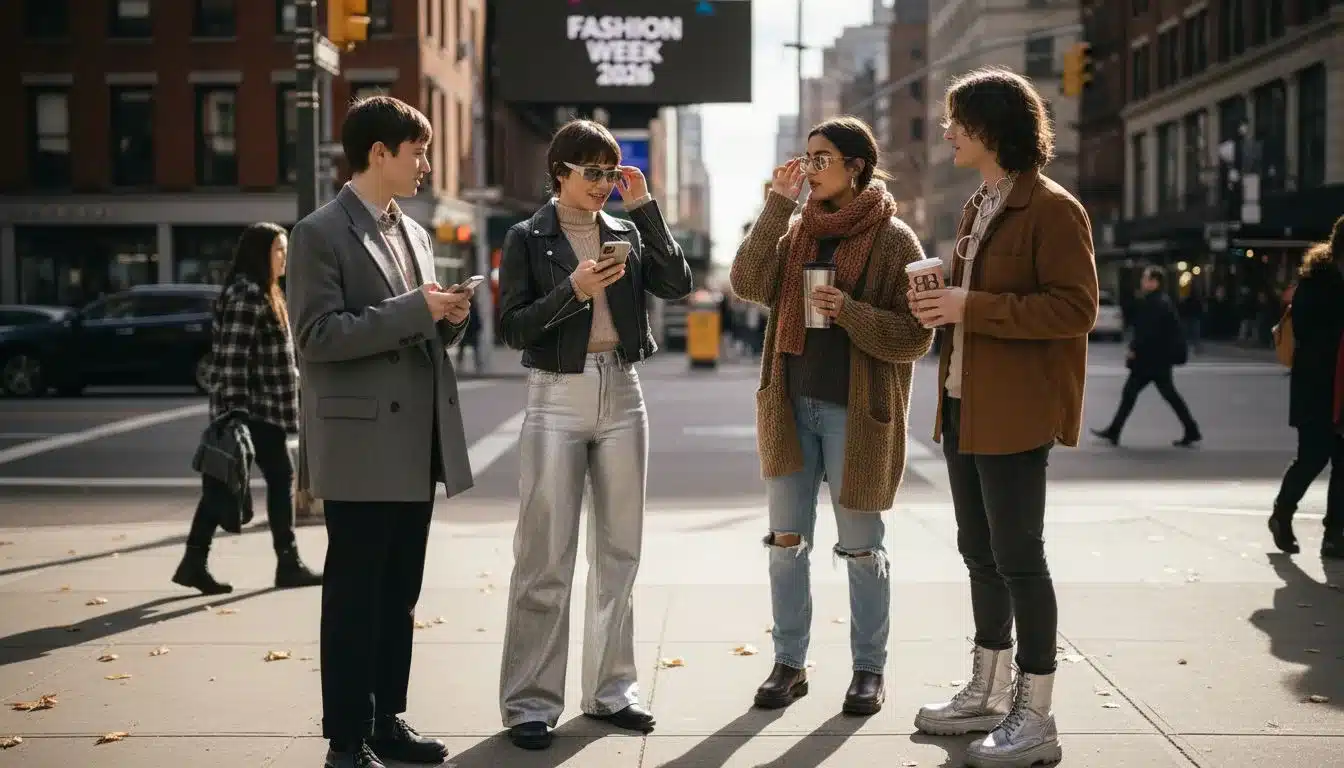
Many believe chasing every fashion trend guarantees a polished look, but research shows this approach often backfires. You’ll discover what truly defines a fashion trend, how these style shifts evolve, and why selective adoption creates more authentic personal style. Understanding these mechanisms empowers you to make smarter wardrobe choices that reflect who you are, not just what’s fleeting.
Table of Contents
- Definition And Characteristics Of A Fashion Trend
- How Trends Evolve And Spread
- Impact Of Influencers And Media
- Common Misconceptions About Fashion Trends
- Practical Steps To Apply Trends
- Comparison Of Fast Fashion Vs. Sustainable Fashion Trends
- Socioeconomic And Cultural Influences On Trends
- Conceptual Framework: The Fashion Cycle
- Discover Your Style With Beecollectibles
- Frequently Asked Questions
Key takeaways
| Point | Details |
|---|---|
| Fashion trends follow distinct lifecycles | Trends evolve through five stages over 6 months to 5 years, helping you time adoption wisely. |
| Social media accelerates trend spread | Platforms boost trend adoption speed by approximately 70% compared to traditional channels. |
| Selective adoption builds authentic style | Choosing trends that align with your personality creates lasting wardrobe value. |
| Fast fashion shortens trend cycles | Rapid production compresses trend lifecycles to 3 to 6 months versus sustainable options. |
| Cultural factors drive trend success | Inclusivity and diversity increase trend engagement by roughly 40% in recent years. |
Definition and characteristics of a fashion trend
A fashion trend represents a collective shift in style preferences across a population, not just one person’s choice. These movements reflect both consumer desires and industry actions like design innovation and targeted marketing. Trend lifecycles typically last 6 months to 5 years and reflect both consumer and industry influences, giving you a predictable window to evaluate adoption.
Understanding these characteristics helps you distinguish genuine trends from fleeting fads or timeless classics. Trends gain momentum when enough people adopt them, creating visible patterns in stores, media, and street style. This collective nature means trends carry social proof, making them feel safer to experiment with than completely unique looks.
Key characteristics include:
- Widespread adoption across multiple consumer segments and geographic regions
- Visible presence in retail offerings, editorial content, and influencer wardrobes
- Identifiable lifecycle stages from emergence to decline
- Influence from cultural moments, technology shifts, or economic conditions
Recognizing these traits lets you assess whether a style shift deserves your attention and investment. You gain confidence knowing trends follow patterns, not random chaos.
How trends evolve and spread
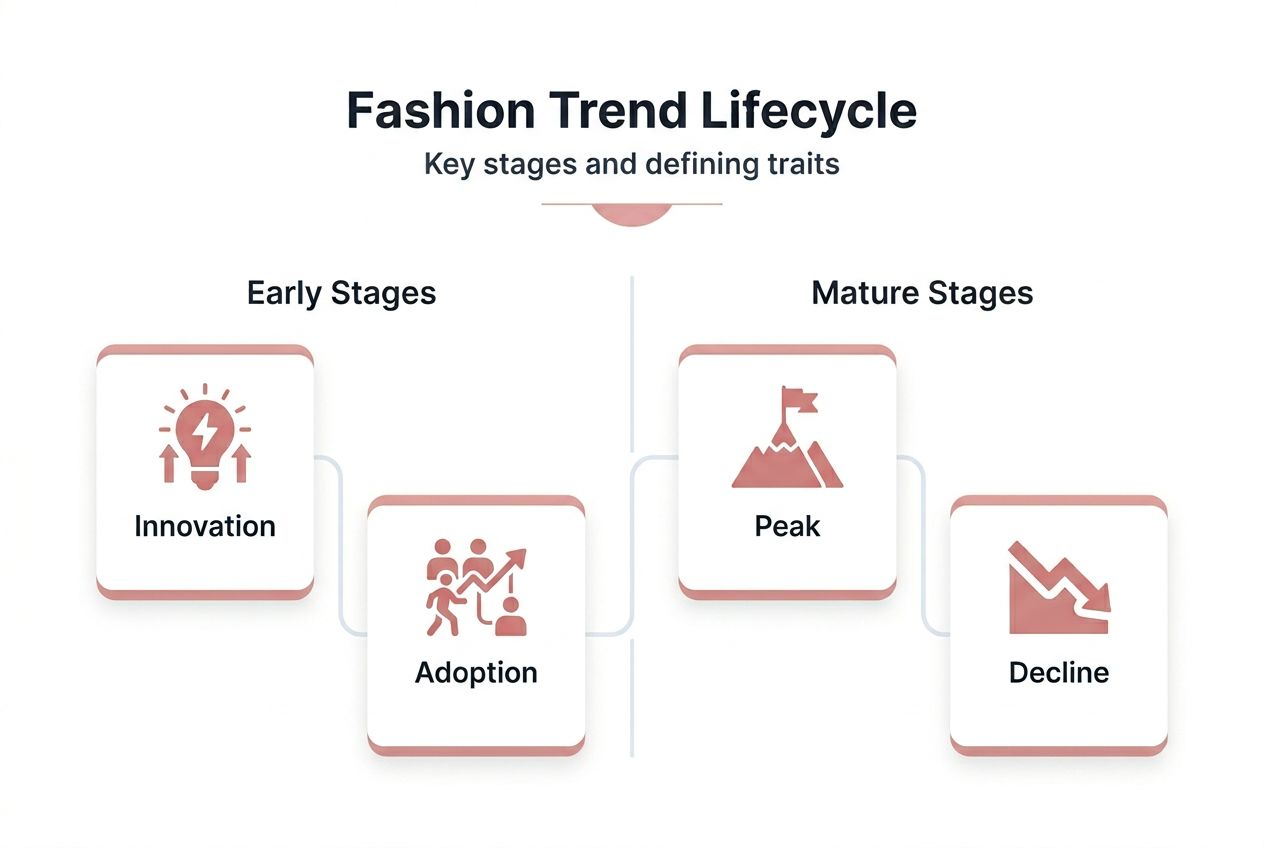
Fashion trends move through five distinct stages that determine their viability and your ideal entry point. Trends evolve through introduction, growth, peak, decline, and obsolescence, with the peak stage lasting about 1 to 2 years depending on category. This structured progression helps you predict when a trend offers maximum value versus when it risks looking dated.
The average fashion trend lifecycle spans 18 to 24 months from introduction to obsolescence, though luxury segments often extend this timeline while fast fashion compresses it.
Understanding each stage empowers strategic decisions:
- Introduction: Designers and tastemakers debut new styles at fashion weeks and exclusive events, generating initial buzz among early adopters.
- Growth: Media coverage increases, retailers stock variations, and style conscious consumers begin experimenting with the trend in personal wardrobes.
- Peak: Maximum visibility across price points and demographics, offering the safest window for adoption without appearing too early or late.
- Decline: Saturation occurs, tastemakers move on, and the style feels overexposed, signaling time to retire or archive pieces.
- Obsolescence: The trend disappears from current offerings, occasionally resurfacing decades later as vintage or retro inspiration.
Social mechanisms like runway shows, celebrity endorsements, and editorial features initiate the introduction and growth phases. You can track these signals to anticipate which emerging styles will gain traction. Recognizing the current stage prevents investing in trends already entering decline, saving money and closet space.
Impact of influencers and media
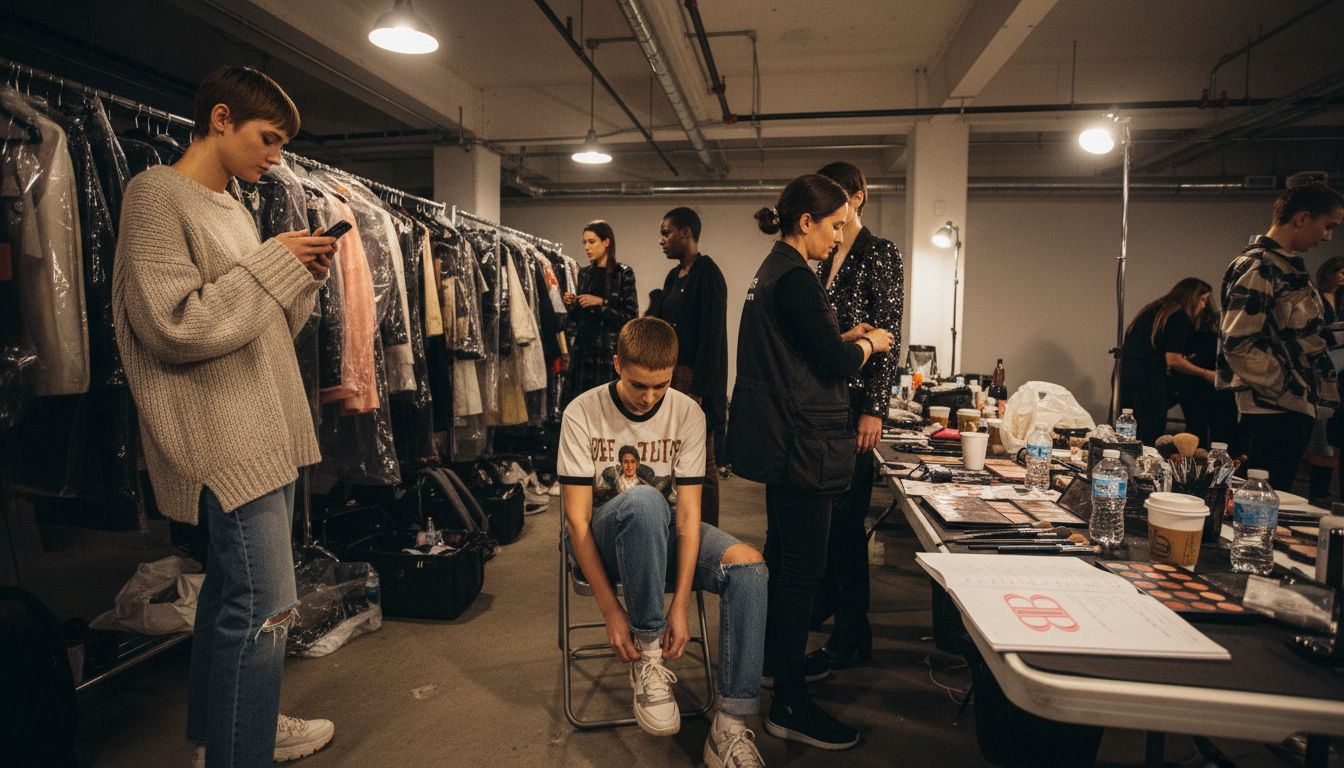
Influencers serve as powerful accelerators for trend awareness and adoption in today’s digital landscape. Social media platforms increase trend spread by up to 70% compared to traditional media channels like magazines and television. This dramatic acceleration compresses decision windows, requiring faster evaluation of whether trends suit your style.
Traditional fashion media remains relevant but operates at slower speeds, typically showcasing trends months after digital platforms amplify them. Editorial spreads and print features still provide depth and context that quick social posts often lack. Both channels play complementary roles in shaping your trend awareness.
Social media accelerates adoption by 70% compared to traditional channels.
Key mechanisms driving media influence include:
- Algorithmic amplification that surfaces trending content to massive audiences instantly
- Influencer partnerships creating aspirational lifestyle contexts around specific pieces
- User generated content providing social proof through real people styling trends
- Shoppable posts reducing friction between discovery and purchase
This amplification explains why trends now rise and fall faster than previous decades. You need sharper discernment to separate genuine style shifts from manufactured hype designed solely to drive clicks and sales.
Common misconceptions about fashion trends
Many assume following every trend automatically improves their style, but selective adoption actually creates more authentic and flattering results. Not all trends carry equal weight or longevity. Micro trends last weeks, macro trends span seasons, and mega trends influence years of design direction. Chasing every micro trend exhausts resources and dilutes personal identity.
Fast fashion’s compressed cycles mislead consumers about sustainable style practices. Brands push new “trends” weekly to drive purchases, creating artificial urgency around styles that may never achieve genuine widespread adoption. This manufactured scarcity contradicts how authentic trends develop organically over months.
| Misconception | Reality |
|---|---|
| Every trend improves your look | Selective adoption based on personal fit creates better results |
| Trends emerge randomly | Cultural, economic, and social factors drive predictable patterns |
| Fast fashion reflects true trends | Many fast fashion “trends” are marketing inventions, not organic shifts |
| Early adoption guarantees style leadership | Peak stage adoption often offers best value and wearability |
| Expensive pieces justify trend investment | Price doesn’t determine trend longevity or personal suitability |
Pro Tip: Evaluate trend fit by asking three questions before buying: Does this align with my lifestyle needs? Will I wear this beyond two months? Does it complement pieces I already own? Honest answers prevent impulse purchases you’ll regret.
Understanding these realities helps you navigate trend culture with thoughtful fashion choices that enhance rather than complicate your wardrobe. You gain freedom to skip trends that don’t serve you.
Practical steps to apply trends
Applying trends thoughtfully starts with assessing where a style sits in its lifecycle. Entering during growth or early peak stages maximizes wearability before saturation occurs. Waiting until decline means pieces quickly look dated, wasting your investment even if discounted.
Align trends with your body type, personality, and daily activities for authentic integration. A trend that suits someone else’s lifestyle may feel costumey or impractical in yours. Gradual adoption through accessories or single statement pieces lets you test trends without overhauling your entire wardrobe.
Follow these steps for smart trend adoption:
- Research the trend’s stage: Check fashion coverage, retail presence, and social media volume to gauge lifecycle position.
- Assess personal alignment: Evaluate whether the trend suits your coloring, proportions, and typical activities.
- Start small: Incorporate one trend element like a color, silhouette detail, or accessory before committing to full looks.
- Mix with classics: Pair trend pieces with timeless wardrobe staples to ground bold choices and extend wearability.
- Monitor your usage: Track how often you reach for trend pieces; low rotation signals misalignment with your authentic style.
- Exit strategically: Donate or resell trend pieces during decline stage while they still hold value.
Pro Tip: Limit trend adoption to 20% of your wardrobe, keeping 80% in versatile classics. This ratio maintains style freshness without sacrificing cohesion or forcing uncomfortable looks.
Observing fashion week presentations helps predict upcoming trends, giving you lead time for thoughtful decisions. Apply these insights to style dresses for various occasions with trend aware but timeless approaches.
Comparison of fast fashion vs. sustainable fashion trends
Fast fashion compresses trend cycles to 3 to 6 months through rapid production and constant new releases. This acceleration creates continuous purchasing pressure and fills closets with pieces that feel outdated quickly. Sustainable fashion extends lifecycles by roughly 200%, prioritizing quality construction and timeless design that transcends seasonal shifts.
Sustainable approaches encourage building wardrobes around enduring pieces that accommodate trend elements through styling rather than replacement. A well made coat in a classic silhouette can incorporate trend colors or accessories across multiple years. Fast fashion’s disposable model demands entirely new pieces each cycle, increasing cost and environmental impact.
| Aspect | Fast Fashion Trends | Sustainable Fashion Trends |
|---|---|---|
| Typical lifecycle | 3 to 6 months | 18 to 36 months |
| Production speed | Weeks from design to retail | Months with quality focus |
| Price point | Lower initial cost | Higher upfront, lower long term |
| Environmental impact | High waste, resource intensive | Reduced waste, ethical sourcing |
| Style longevity | Fleeting, high turnover | Enduring, versatile pieces |
Key considerations for ethical trend choices:
- Quality construction extends physical lifespan beyond trend relevance
- Versatile designs transition across multiple styling contexts and seasons
- Resale value holds better for well made pieces from sustainable brands
- Lower volume purchasing reduces decision fatigue and closet clutter
Choosing sustainable options aligns trend participation with environmental values without sacrificing style. You invest in pieces that serve you longer and retain more dignity throughout their lifecycle.
Socioeconomic and cultural influences on trends
Cultural values and economic conditions strongly affect which trends gain traction in specific markets. Inclusivity themed fashion lines increased engagement by 40% in recent years, demonstrating how social movements shape consumer preferences. Trends reflecting diversity, body positivity, and accessibility achieve longer lifespans than those promoting narrow beauty standards.
Economic factors influence adoption rates across different demographics and regions. Recessions often boost practical, versatile trend adoption while prosperity periods see more experimental style risks. US and UK markets show distinct preferences shaped by climate, work culture, and social norms despite shared language and media.
Specific factors impacting trend success include:
- Income distribution affecting accessibility of trend pieces across price segments
- Work environments dictating acceptable style ranges for daily wear
- Climate patterns determining practical trend viability in different regions
- Social movements elevating specific aesthetics tied to values and identity
- Age demographics shifting purchasing power toward different style preferences
- Digital connectivity enabling faster cross cultural trend exchange
Understanding these influences helps you contextualize why certain trends resonate in your community while others remain niche. You gain perspective on whether a trend’s limited local presence reflects poor fit for your context or simply slower adoption timing. This awareness prevents chasing trends misaligned with your practical reality.
Conceptual framework: the fashion cycle
The fashion cycle model provides a visual framework for understanding trend progression and timing your participation strategically. Stages flow predictably from innovation through obsolescence, though duration varies by fashion category. Accessories often cycle faster than outerwear, while footwear falls somewhere between.
Cycle length affects your adoption strategy significantly. Fast cycling categories demand careful evaluation before investment since peak windows close quickly. Slower categories offer more flexibility for deliberate decisions and extended wear.
| Stage | Characteristics | Typical Duration | Strategic Action |
|---|---|---|---|
| Innovation | Limited designer offerings, high prices, minimal awareness | 2 to 4 months | Observe, don’t buy unless truly passionate |
| Growth | Increasing retail presence, media coverage, early adopter visibility | 4 to 8 months | Consider entry if aligned with style |
| Peak | Maximum availability, widespread adoption, safe mainstream choice | 8 to 16 months | Ideal adoption window for most consumers |
| Decline | Saturation, tastemaker exit, clearance pricing | 3 to 6 months | Avoid new purchases, use existing pieces |
| Obsolescence | Discontinued styles, dated appearance, vintage potential | Indefinite | Donate or archive for future retro revival |
Pro Tip: Track three to five trends you’re considering across two months. Note which stages they enter and whether your interest sustains. Consistent enthusiasm through growth stage signals genuine alignment worth investment, while fading interest saves money.
Using this model helps you anticipate trend viability and make smarter wardrobe choices. You develop pattern recognition that separates promising trends from fleeting distractions, building confidence in your style decisions.
Discover your style with Beecollectibles
Ready to apply these trend insights to your wardrobe? Beecollectibles offers curated collections that balance current style shifts with enduring quality. You’ll find pieces spanning trend adoption stages, letting you enter at your ideal timing without compromise.
Explore diverse options reflecting 2026’s most wearable trends while maintaining the versatility your lifestyle demands. From Irish fashion brands bringing fresh perspectives to dresses perfect for parties and events, each selection supports building an authentic wardrobe. Complete your look with thoughtfully designed accessories that add trend relevance to classic foundations.
Shop with confidence knowing you’re making informed choices aligned with both current style and personal values.
Frequently asked questions
What is the difference between a fashion trend and a fad?
A fashion trend evolves through predictable lifecycle stages lasting months to years with broad adoption across demographics. Fads spike rapidly, achieve intense but narrow popularity, then disappear within weeks to months without sustained industry support.
How can I tell when a trend is at its peak?
Peak stage shows maximum retail availability across price points, widespread media coverage, and adoption by mainstream consumers beyond early adopters. Once clearance sales begin or tastemakers shift focus, decline has started.
Is it better to follow mega trends or niche microtrends?
Mega trends offer longer wearability and broader versatility, making them safer investments for most wardrobes. Microtrends suit experimental styles and specific contexts but risk faster obsolescence and limited pairing options.
How does fast fashion affect trend adoption speed?
Fast fashion compresses cycles to 3 to 6 months by rapidly producing trend interpretations, creating artificial urgency. This acceleration often manufactures “trends” that never achieve organic widespread adoption beyond marketing hype.
What should I consider before adopting a new trend?
Evaluate the trend’s lifecycle stage, alignment with your body type and lifestyle, compatibility with existing wardrobe pieces, and whether it reflects your authentic style preferences. Budget and quality expectations also guide smart adoption decisions.