

 Dresses
 Trousers
 Evening Dresses
 Special Occasion Outfits
 Midi Dresses
 Earrings
 Hats
HatsWhat is plus size fashion? A 2026 guide for confident style

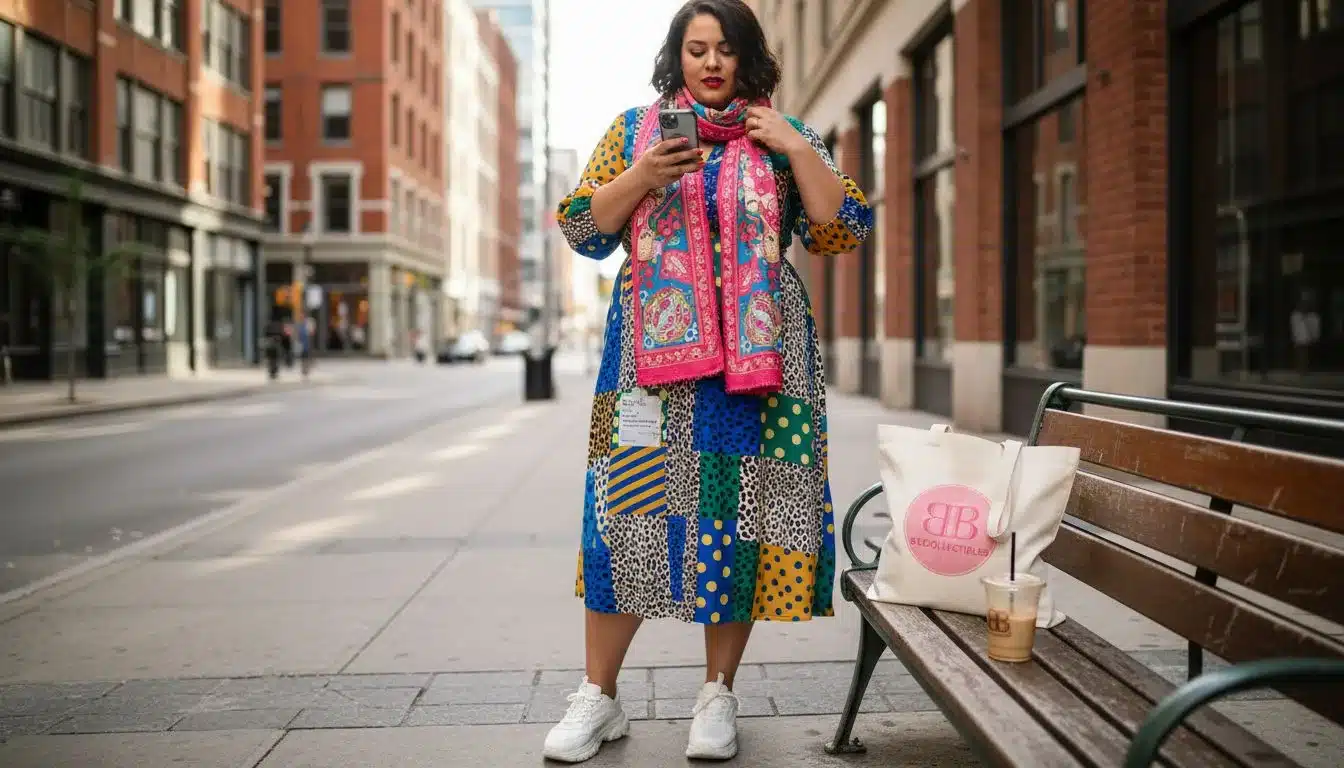
You’ve probably heard that plus size fashion is just bigger versions of regular clothes. That’s completely wrong. Plus size fashion has evolved into a dynamic, trend-driven industry that celebrates body positivity and personal style through innovative designs, inclusive sizing, and fashion-forward collections. This guide explains sizing standards, historical growth, current trends, and practical styling advice to help you shop confidently and embrace your unique shape.
Table of Contents
- Understanding Plus Size Fashion: Definitions And Sizing
- Historical Evolution And Market Growth Of Plus Size Fashion
- Influence Of Body Positivity And Inclusivity Movements
- Common Misconceptions About Plus Size Fashion
- Challenges In Sizing And Finding The Right Fit
- Current Trends And Innovations In Plus Size Fashion
- Practical Guide To Shopping And Styling Plus Size Fashion
- Explore Plus Size Fashion Options At Beecollectibles
Key takeaways
| Point | Details |
|——-|———||
| Sizing varies regionally | US plus size starts at 14, UK at 16, with no universal standard across brands. |
| Market is thriving | The global plus size fashion market reached $178 billion, driven by inclusivity and innovation. |
| Body positivity reshapes industry | Campaigns feature natural bodies and diverse models, expanding representation beyond size alone. |
| Myths are outdated | Modern plus size fashion offers trendy, flattering designs, not shapeless or limited styles. |
| Practical advice empowers shoppers | Measure accurately, consult brand charts, and focus on fit and personal style for confident choices. |
Understanding plus size fashion: definitions and sizing
Plus size fashion refers to clothing designed for fuller body shapes, but the exact definition shifts by location and brand. In the US, plus size typically starts at size 14, while UK sizing begins at 16. These numbers aren’t universal, and different retailers use varying standards, which complicates shopping.
No global sizing system exists, so a size 16 at one brand might fit differently than another’s. This inconsistency frustrates shoppers and makes finding the right fit challenging. Understanding regional sizing differences helps you navigate plus size collections with more confidence and less guesswork.
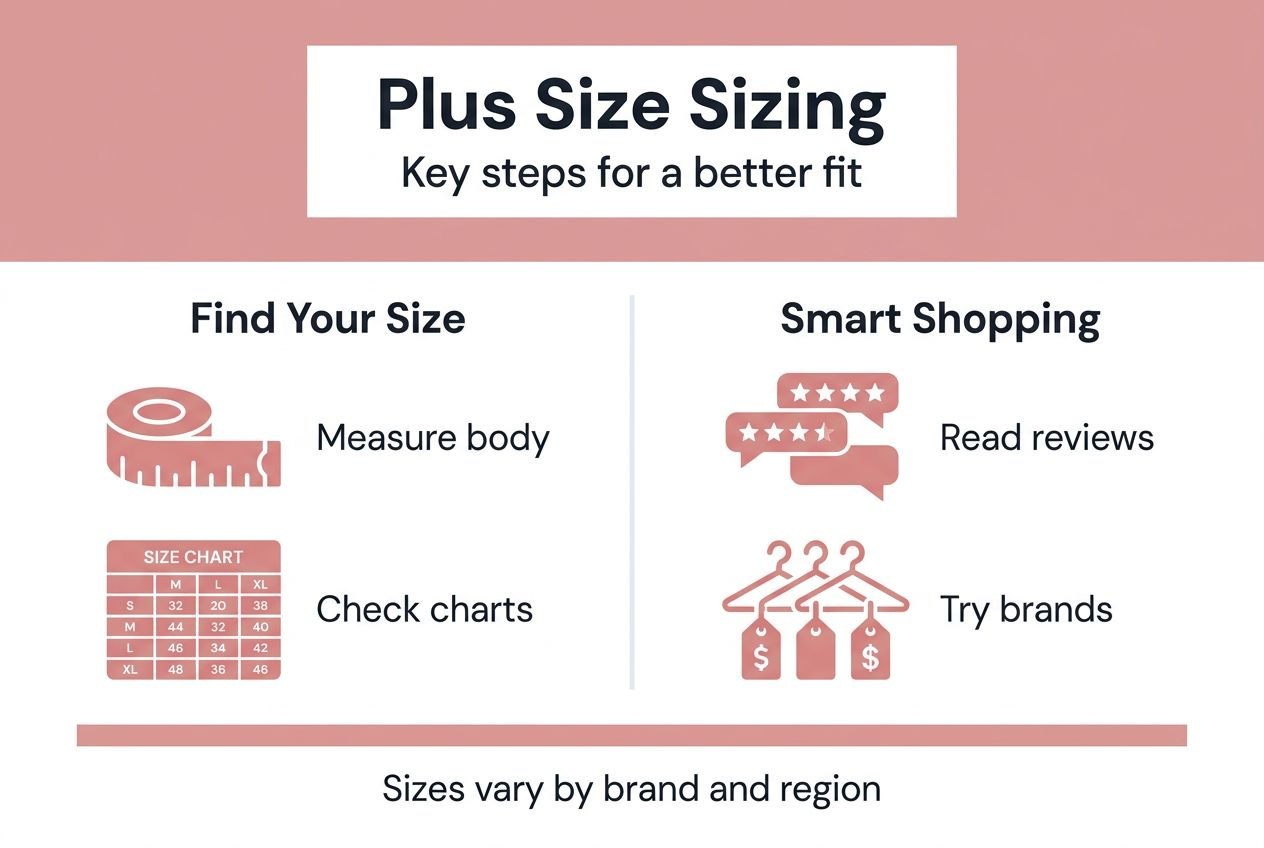
To shop smarter, follow these sizing tips:
- Measure your bust, waist, and hips accurately before browsing online or in stores.
- Consult each brand’s size chart, as measurements vary significantly.
- Read customer reviews to learn how items fit compared to standard sizing.
- Try multiple brands to discover which fits your body shape best.
- Keep a record of sizes that work well for you at different retailers.
Knowing your measurements and checking brand-specific charts reduces returns and boosts satisfaction. When you understand sizing variations, you gain control over your wardrobe choices. For more guidance, explore tips for choosing the best women’s clothes that complement your shape and preferences.
Historical evolution and market growth of plus size fashion
Plus size fashion has deep roots, starting with pioneers like Lane Bryant in the early 1900s and Evans in the 1930s. These brands recognized that women with fuller figures deserved stylish, well-made garments. Over decades, the industry grew from niche boutiques to a massive global market now valued at $178 billion.
The 2010s marked a turning point with inclusive runway shows debuting in 2013, bringing plus size models into mainstream fashion visibility. High-end designers began creating plus size lines, signaling that fashion isn’t just for one body type. This shift proved that inclusivity drives both cultural change and commercial success.
Here’s a timeline of key milestones:
- Early 1900s: Lane Bryant opens, offering maternity and plus size clothing.
- 1930: Evans launches in the UK, focusing on larger sizes.
- 2013 onwards: Inclusive runway shows feature plus size models prominently.
- 2020s: Sustainability and ethical production enter plus size fashion conversations.
The table below compares historical brands and modern market trends:
| Era | Key Brands | Market Focus |
|---|---|---|
| Early 1900s to 1950s | Lane Bryant, Evans | Foundation, practical clothing for fuller figures |
| 1960s to 1990s | Addition Elle, Torrid | Specialty retailers, expanding style options |
| 2000s to 2010s | ASOS Curve, Eloquii | Online growth, trendy designs |
| 2020s (current) | Universal Standard, Good American | Inclusivity, sustainability, runway presence |
This growth reflects changing attitudes about beauty and body diversity. Fashion now celebrates all shapes, and the industry’s economic power proves that inclusivity isn’t just ethical, it’s profitable. To understand why fashion matters beyond aesthetics, consider how it shapes identity and self-expression.
Influence of body positivity and inclusivity movements
Body positivity campaigns have transformed how plus size fashion is marketed and perceived. Brands now showcase natural bodies with cellulite and stretch marks, rejecting airbrushed perfection. This honesty resonates with consumers tired of unrealistic beauty standards.
Runway shows and advertising campaigns feature more plus size models than ever before. This visibility normalizes diverse body types and challenges the idea that only thin bodies belong in fashion. Representation matters because it affects how people see themselves and their worth.
Inclusivity extends beyond size to embrace different shapes, ethnicities, and identities. Modern inclusivity celebrates diversity across multiple dimensions, empowering a wider audience. Brands adapt their marketing to reflect real customer diversity, not just tokenism.
Key impacts of these movements include:
- Unretouched images in campaigns build trust and authenticity.
- Plus size models appear in mainstream magazines and editorials.
- Social media amplifies body positive voices and communities.
- Brands face accountability for exclusionary practices or limited sizing.
“The increased visibility of plus size models in runway shows since 2013 has redefined industry standards, proving that fashion belongs to every body.”
This cultural shift creates space for people to embrace their bodies without shame. Fashion becomes a tool for empowerment rather than exclusion. As inclusivity grows, expect even more innovation and representation in the years ahead.
Common misconceptions about plus size fashion
Many people wrongly believe plus size only refers to very large sizes. In reality, plus size often starts at size 14, which is closer to the average American woman’s size. This misconception makes people feel excluded or confused about where they fit.
Another myth claims plus size fashion is shapeless or unstylish. This outdated stereotype ignores the explosion of trendy, fashion-forward plus size collections available today. Modern designs feature bold prints, tailored cuts, and innovative fabrics that rival any mainstream brand.
Understanding terminology helps clear confusion:
- Plus size: Typically sizes 14 and up in the US, 16 and up in the UK.
- Extended sizes: Broader range including petite plus and tall plus options.
- Super size: Generally sizes 26 and above, sometimes sold separately.
These misconceptions affect shopping confidence and limit wardrobe choices. When you believe plus size means frumpy or limited, you might avoid exploring options that actually suit your style. Recognizing the truth opens doors to more creative, personalized fashion.
Pro Tip: Seek brands known for trendy plus size lines and review product images carefully before purchasing. Check customer photos to see how garments fit real bodies, not just models. This research saves time and builds confidence in your selections.
Explore plus size fashion collections that challenge stereotypes and offer diverse, contemporary styles. Your size doesn’t dictate your fashion sense or limit your creative expression.
Challenges in sizing and finding the right fit
Inconsistent sizing charts create frustration for plus size shoppers. No standardized sizing exists, so a size 16 at one retailer might fit like an 18 elsewhere. This variation forces you to try multiple brands and sizes to find what works.
Women sized 12 to 16 face unique challenges as “in-betweeners,” often too large for regular sizing but too small for some plus ranges. This gap leaves many shoppers struggling to find options that fit properly. Brands are slowly addressing this, but inconsistencies remain common.
To overcome fitting struggles, try these strategies:
- Measure yourself regularly, as body measurements can shift over time.
- Compare your measurements to each brand’s specific size chart before ordering.
- Read customer reviews for insights on whether items run large, small, or true to size.
- Order multiple sizes when possible and return what doesn’t fit.
- Look for brands with flexible return policies to reduce risk.
Recognizing a good fit involves more than just getting the garment on. Clothes should move with you comfortably, without pulling, gaping, or restricting movement. Seams should sit where intended, and fabric should drape smoothly without bunching.
For detailed guidance, check the plus size fit guide that explains how to identify quality fits and common sizing pitfalls. Also explore best clothes selection tips to refine your shopping approach and build a wardrobe that works.
Current trends and innovations in plus size fashion
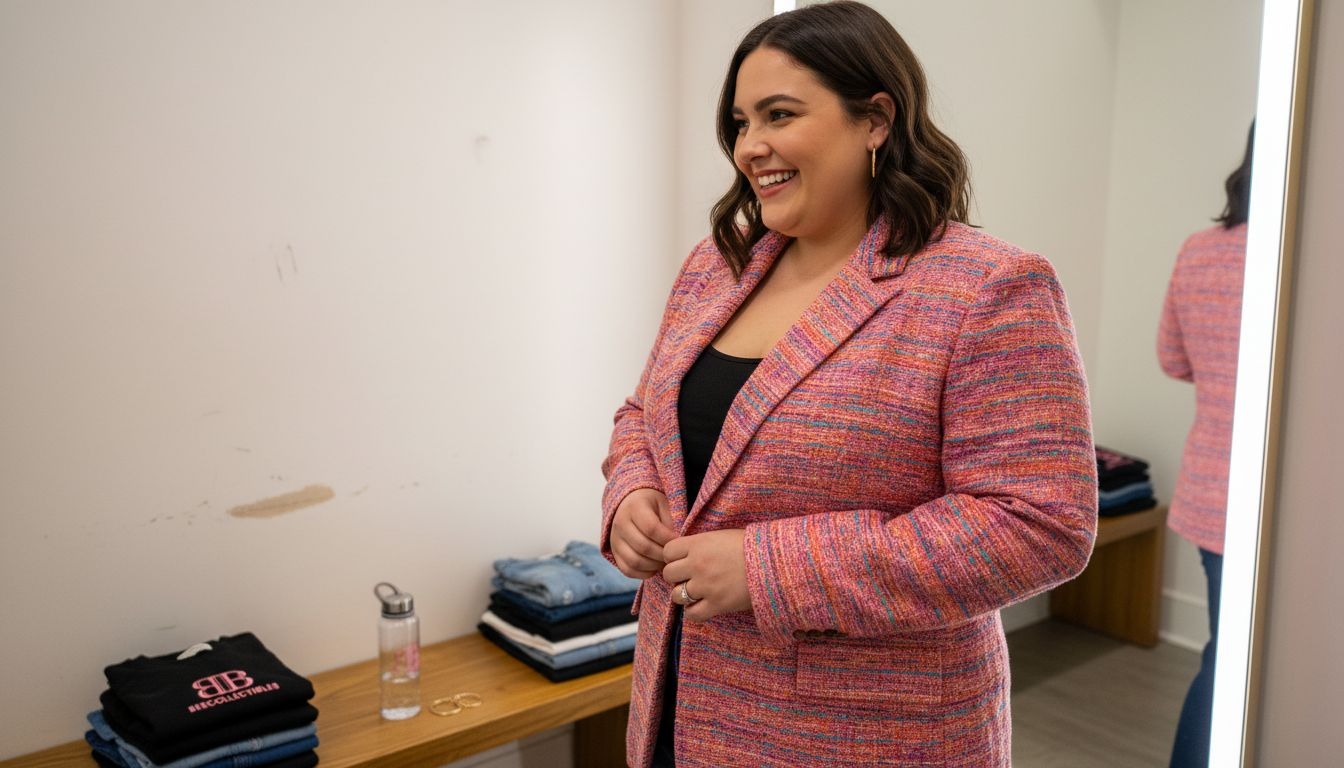
Plus size fashion in 2026 embraces bold, trend-aligned designs that rival mainstream collections. Innovative fabrics and cutting-edge cuts replace the shapeless styles of the past. Designers now create garments specifically for curves, not just scaled-up versions of smaller sizes.
Vibrant colors, statement prints, and experimental silhouettes dominate current collections. Plus size fashion no longer sits on the sidelines, it leads trends. From oversized blazers to bodycon dresses, options reflect the same creativity seen in any other size category.
Sustainability and ethical production are growing priorities. Brands recognize that conscious consumers want stylish clothes made responsibly. Eco-friendly materials, fair labor practices, and transparent supply chains increasingly define industry leaders.
Key trends shaping 2026 include:
- Athleisure and activewear designed for plus size bodies and performance.
- Gender-neutral styles that prioritize comfort and self-expression.
- Customizable fits using technology like 3D body scanning.
- Collaborations between mainstream and plus size-focused designers.
The table below compares mainstream and specialist plus size brand innovations:
| Feature | Mainstream Brands | Specialist Plus Size Brands |
|---|---|---|
| Size Range | Often limited, up to size 18-20 | Extended, often to size 32+ |
| Fit Expertise | Generic scaling from smaller sizes | Designs tailored for curves and proportions |
| Trend Speed | Fast, seasonal collections | Increasingly fast, matching mainstream pace |
| Sustainability | Growing focus on eco-materials | Leading with inclusive, ethical practices |
Pro Tip: Look for brands prioritizing both style and sustainability for the best long-term value. These companies invest in quality materials and ethical production, resulting in garments that last longer and feel better.
Stay updated on evolving fashion trends in 2026 to understand broader shifts that influence plus size collections. Also explore digital fashion trends to see how technology reshapes shopping and design.
Practical guide to shopping and styling plus size fashion
Confident styling starts with understanding your body shape and what flatters your proportions. Identify whether you’re apple, pear, hourglass, or rectangle shaped, then choose styles that highlight your favorite features. This knowledge empowers intentional wardrobe decisions.
Follow these steps for successful plus size shopping and styling:
- Determine your body shape by measuring and observing where you carry weight.
- Select styles that enhance curves, such as wrap dresses for hourglass figures or A-line skirts for pear shapes.
- Choose well-fitting garments that skim the body without clinging or overwhelming your frame.
- Accessorize confidently with belts, scarves, and jewelry to add personality and dimension.
- Experiment with color, texture, and layering to create visual interest and express your style.
Avoid outdated rules like “dark colors only” or “hide your arms.” Modern fashion celebrates bold choices and personal expression. If you love a trend, try it. Your size doesn’t limit your creativity or dictate what you can wear.
Layering adds depth and versatility to outfits. A fitted top under a structured blazer creates polish, while a flowy cardigan over a bodycon dress offers casual elegance. Play with proportions to discover combinations that feel authentically you.
Pro Tip: Use tailoring and custom fit services to enhance comfort and style. A skilled tailor can adjust hems, take in waists, or shorten sleeves to create a perfect fit. Small alterations transform off-the-rack pieces into personalized favorites.
For shape-specific advice, read dressing for your shape to understand how cut and silhouette impact your overall look. Discover styling plus size dresses for various occasions, from casual outings to formal events. Additional best clothes tips help you build a versatile, flattering wardrobe.
Explore plus size fashion options at Beecollectibles
Ready to put these insights into action? Beecollectibles offers curated plus size clothing collections designed for style, comfort, and confidence. Our selection celebrates diverse body types with trendy pieces that fit real women, not outdated stereotypes.
Beyond shopping, explore educational resources that deepen your understanding of why fashion matters and how it shapes identity. Learn practical strategies through our dress for your shape guide, helping you make informed choices that enhance your natural beauty. Beecollectibles empowers you to build a wardrobe that reflects your personality and supports your lifestyle.
FAQ
What sizes are considered plus size in the UK and US?
In the UK, plus size typically starts at size 16, while US sizing begins at 14. These ranges vary by brand and retailer, with no universal standard. Always check specific brand sizing charts before purchasing to ensure the best fit for your measurements.
How has plus size fashion changed over time?
Plus size fashion began with pioneers like Lane Bryant in the early 1900s, focusing on practical garments. Today, the industry includes runway representation, high-end designer lines, and a $178 billion global market. Modern collections emphasize trend-forward designs and inclusivity rather than basic, shapeless clothing.
What should I look for when shopping for plus size clothes?
Check sizing guides carefully, as measurements vary significantly across brands. Focus on fit, fabric quality, and personal style rather than outdated stereotypes about what plus size women “should” wear. Consider brands with inclusive, fashion-forward designs and read customer reviews for real-world fit insights. For more detailed advice, explore best clothes choosing tips.
How do body positivity and inclusivity affect plus size fashion?
Body positivity has increased representation of diverse body types and ethnicities in fashion media and advertising. Brands now use unretouched images featuring natural bodies with cellulite and stretch marks to build authenticity. This movement empowers customers to embrace their bodies and expect fashion that celebrates, rather than hides, their shapes.